
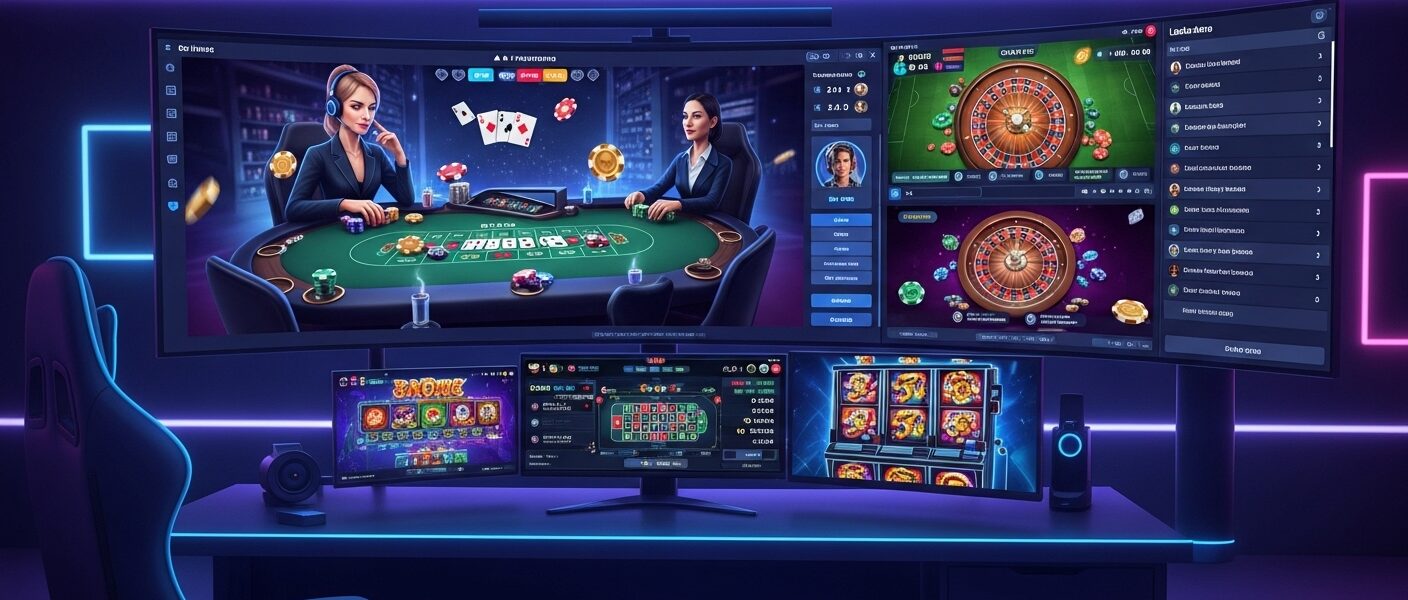

Introduction: The Emergence of iGaming
Over the past decade, the world of entertainment has undergone a massive transformation, driven largely by digital technologies. One of the most significant changes has occurred in the gaming industry, with the rise of iGaming. This sector includes online casinos, virtual sports, poker, fantasy leagues, and other forms of interactive digital gaming. Once considered a niche activity for technology enthusiasts, iGaming has grown into a global phenomenon, drawing millions of users and generating significant economic impact.
The appeal of iGaming lies not only in its accessibility but also in its ability to provide immersive, interactive experiences that traditional forms of entertainment struggle to match. Today, iGaming represents a fusion of technology, social interaction, and entertainment, creating a digital space where players can connect, compete, and engage on a global scale.
Defining iGaming
iGaming refers to all forms of gaming conducted in a digital or online environment, especially those involving gambling or skill-based challenges. This includes traditional casino games such as blackjack, poker, and roulette, as well as online slots, live dealer experiences, esports, and fantasy sports competitions. Unlike physical casinos or gaming centers, iGaming allows players to access platforms from anywhere using computers, smartphones, or tablets.
Modern iGaming platforms are designed to provide more than just a gambling experience. They combine advanced graphics, sound effects, interactive features, and social connectivity to create engaging digital ecosystems. Players are not simply spectators—they are participants in a dynamic, evolving environment where every decision can impact outcomes.
Technological Innovations Powering iGaming
The growth of iGaming has been fueled by rapid technological advancements that enhance gameplay, security, and user engagement.
Mobile Gaming
Mobile technology has revolutionized iGaming by making it accessible anytime and anywhere. Smartphones and tablets allow users to play games on the go, eliminating the need for physical locations. Intuitive touch controls, high-resolution displays, and responsive interfaces have transformed mobile devices into powerful gaming tools that rival desktop platforms in performance and engagement.
Artificial Intelligence and Personalization
Artificial intelligence (AI) is reshaping how players interact with iGaming platforms. Machine learning algorithms analyze player behavior to provide personalized recommendations, tailored bonuses, and adaptive gameplay. AI also plays a critical role in detecting irregular betting patterns and promoting responsible gaming, helping platforms protect users from gambling-related risks.
Live Streaming and Real-Time Interaction
Live dealer games have become a defining feature of modern iGaming. Through high-definition video streaming, players can interact with real dealers and other participants in real time. This combination of convenience and authenticity brings the excitement of a physical casino into the digital space, offering both entertainment and social engagement.
Blockchain and Cryptocurrencies
Blockchain technology provides secure, transparent, and verifiable gaming experiences. Cryptocurrency payments allow for faster, safer transactions, often with greater privacy than traditional banking methods. Blockchain also enables provably fair gaming, where players can verify the fairness of outcomes independently, fostering trust between users and platforms.
Virtual Reality and Augmented Reality
Virtual reality (VR) and augmented reality (AR) are opening new dimensions in iGaming. VR can create fully immersive virtual casinos, allowing players to interact with digital environments and other users in ways previously unimaginable. AR overlays gaming elements onto real-world settings, creating hybrid experiences that blend reality with digital interactivity. These technologies represent the next frontier for engaging and immersive gameplay.
The Cultural Influence of iGaming
iGaming is more than a form of entertainment; it has become a significant cultural force. Social interaction is central to modern gaming, with multiplayer games, tournaments, and chat features allowing users to connect globally. Digital platforms have transformed gaming into a communal activity, creating shared experiences among diverse communities.
The integration of esports and fantasy sports has brought traditional sports fandom into the digital realm. Fans are no longer passive spectators—they engage directly by placing bets, predicting outcomes, and competing with others online. Gaming influencers and streaming personalities have also shaped the cultural landscape, inspiring new players and creating global communities centered around shared interests in iGaming.
Drivers of iGaming Growth
The iGaming sector has expanded rapidly due to several key factors:
Accessibility and Convenience
The ability to play anytime, anywhere has made iGaming highly appealing. Mobile devices, cloud platforms, and intuitive applications ensure that users can access entertainment without the limitations of geography or operating hours.
Variety of Games
Digital platforms offer an unparalleled range of games. From classic table games to innovative slots and skill-based challenges, the diversity keeps players engaged and attracts a wide demographic.
Incentives and Gamification
iGaming platforms use bonuses, loyalty programs, and gamified systems to encourage ongoing engagement. Achievement rewards, progress tracking, and leaderboard competitions motivate players and enhance their experience.
Rapid Innovation
Unlike physical casinos, digital platforms can quickly launch new games, update existing ones, and implement innovative features. This agility ensures that the gaming experience remains fresh, exciting, and competitive.
Responsible Gaming in the Digital Age
With the growth of iGaming comes the responsibility to ensure safe and ethical play. Platforms have adopted measures to promote responsible gaming, including self-exclusion tools, deposit limits, real-time monitoring, and notifications for potentially risky behavior.
Artificial intelligence supports these initiatives by identifying problematic patterns and providing actionable interventions. Regulatory frameworks also play a crucial role, setting standards for transparency, fairness, and security. Together, technology and governance work to maintain trust and safeguard the welfare of players.
Challenges Facing the iGaming Industry
Despite its rapid growth, iGaming faces several ongoing challenges:
Regulatory Complexity
Different regions enforce varying regulations regarding licensing, advertising, and gameplay standards. Navigating these laws can be complex for operators seeking to offer global services.
Cybersecurity Risks
Online platforms must protect sensitive user data and financial information. Cyber threats such as hacking, fraud, and phishing attacks require constant investment in cybersecurity.
Intense Competition
The booming iGaming market has attracted numerous competitors, making differentiation essential. Companies must innovate constantly to offer unique experiences that retain and grow their user base.
Maintaining Trust and Fairness
Trust is foundational in iGaming. Players need assurance that games are fair, payouts are reliable, and data is secure. Platforms must maintain high standards to avoid reputational damage and loss of user confidence.
The Future of iGaming
Looking ahead, iGaming is poised for further transformation. Several trends are likely to shape the next era:
Fully Immersive Virtual Experiences
Virtual reality will allow players to explore entire digital worlds, interact with other users, and participate in activities that replicate or surpass real-world gaming environments.
AI-Powered Personalization
Advanced AI will create hyper-personalized experiences, tailoring games, bonuses, and challenges to individual preferences, behaviors, and skill levels.
Seamless Cross-Platform Play
Future platforms will enable seamless gameplay across devices, allowing users to switch between mobile, desktop, and VR without interruption.
Interactive Live Entertainment
Live gaming will evolve into interactive entertainment shows, combining real-time participation with immersive storytelling and competition.
Ethical and Sustainable Gaming Practices
As the industry matures, ethical gaming, transparency, and social responsibility will become central priorities. Platforms will focus on promoting fairness, protecting users, and ensuring long-term sustainability.
Conclusion: iGaming as a Digital Entertainment Revolution
iGaming has evolved from a niche online activity into a major force in global digital entertainment. By combining cutting-edge technology, social interactivity, and diverse gaming options, the industry has created a rich and engaging ecosystem that appeals to millions of users worldwide.
Mobile gaming, AI, blockchain, and immersive technologies are transforming the way players interact with digital platforms, making gameplay more engaging, personalized, and secure. At the same time, responsible gaming, regulatory compliance, and cybersecurity remain critical to maintaining trust and sustainability.
The future of iGaming promises even more innovative experiences, from fully immersive VR environments to AI-driven personalized gameplay and interactive live entertainment. As the industry continues to grow and evolve, iGaming is not just shaping the future of entertainment—it is redefining the very way people connect, compete, and engage in the digital age.
iGaming represents more than just play; it represents a global, technological, and cultural revolution in entertainment. Its trajectory indicates that digital gaming will continue to evolve, offering increasingly sophisticated, interactive, and socially engaging experiences for years to come.