
Rolling the Digital Dice: How iGaming is Transforming Entertainment and Technology

Introduction: The Rise of iGaming
The world of entertainment has changed dramatically in recent years, and iGaming stands at the forefront of this transformation. iGaming, short for internet gaming, refers to online gambling activities including casino games, sports betting, poker, and lottery-style games. Unlike traditional gambling that takes place in physical locations, iGaming provides instant access to interactive entertainment through computers, tablets, and smartphones.
With technological innovation, rising internet penetration, and evolving consumer behaviors, iGaming has become one of the fastest-growing segments in the global entertainment industry. This blog explores the evolution of iGaming, its technological backbone, its economic impact, trends shaping the future, and the challenges it faces as it continues to expand.
The Evolution of iGaming
iGaming traces its origins back to the 1990s, when the first online casinos emerged. The advent of the internet created new opportunities for gamblers to access casino games without leaving their homes. Early platforms offered simple games like online blackjack and roulette, relying on basic web interfaces and limited graphics.
The 2000s brought more sophisticated technology, including advanced graphics, live dealer streaming, and mobile compatibility. As smartphones became ubiquitous, iGaming platforms adapted to mobile environments, making it easier for users to play anytime, anywhere. Today, cutting-edge technology has transformed iGaming into a fully immersive experience, integrating artificial intelligence, virtual reality, and secure blockchain systems.
Technology as the Backbone of iGaming
iGaming relies heavily on technology to deliver seamless and engaging experiences. The backbone of online gambling includes secure software platforms, random number generators, live streaming technology, and mobile-friendly interfaces.
Random number generators (RNGs) ensure that online casino games remain fair and unbiased. Live dealer technology bridges the gap between digital and physical casinos by streaming real-time games with professional dealers. Mobile optimization allows players to engage with games on smartphones and tablets without compromising quality or performance.
Emerging technologies are redefining the iGaming experience. Virtual reality (VR) creates immersive casino environments where players can explore virtual casinos and interact with others. Augmented reality (AR) overlays digital gaming elements onto real-world surroundings, providing a unique hybrid experience. Artificial intelligence (AI) is used to analyze player behavior, recommend personalized games, and enhance customer support.
The Global iGaming Market
The iGaming market has experienced explosive growth over the past decade. Europe and North America remain major hubs, but Asia, Latin America, and Africa are emerging markets with enormous potential. The convenience of online gaming, combined with innovative features, has attracted millions of players worldwide.
Market growth is also fueled by regulatory changes. Many governments are introducing legal frameworks that regulate online gambling, creating safer and more transparent environments for players. Legalization and regulation allow operators to provide secure platforms while collecting taxes that contribute to national economies.
iGaming is not just entertainment; it is a significant economic driver. The industry generates billions in revenue annually, supports employment in software development, marketing, customer service, and event management, and encourages technological innovation.
iGaming and Mobile Innovation
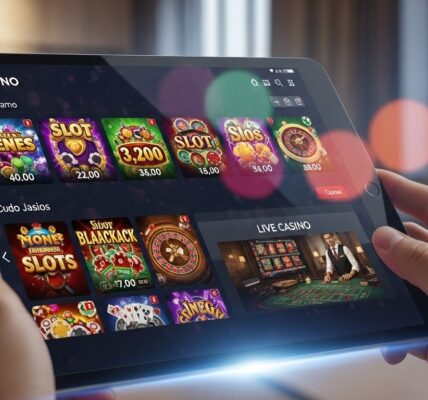
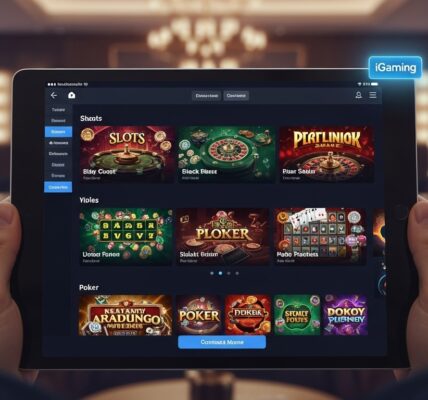
Mobile technology has been a game-changer for iGaming. Smartphones and tablets allow players to access games anytime and anywhere, expanding the reach of online gambling. Mobile applications optimize graphics, gameplay, and security, making mobile gaming a preferred choice for many players.
Push notifications, loyalty programs, and in-app promotions increase engagement, while mobile wallets simplify transactions. The rise of 4G and 5G networks ensures fast, seamless gameplay, making mobile iGaming experiences as smooth as those on desktop platforms.
Mobile innovation has also introduced social elements into iGaming. Multiplayer games, tournaments, and chat features allow players to interact and compete with friends and strangers, adding a communal dimension to digital gambling.
The Role of Live Dealer Games
Live dealer games have revolutionized online casino experiences. By streaming real-time games with professional dealers, players enjoy the thrill of a physical casino without leaving their homes. Live roulette, blackjack, baccarat, and poker provide authenticity, interaction, and enhanced engagement.
Live streaming technology ensures high-quality video and smooth interaction. Chat functions allow players to communicate with dealers and other players, creating social and competitive experiences. This innovation has become a cornerstone of modern iGaming, bridging the gap between traditional casinos and digital platforms.
Artificial Intelligence and Personalization in iGaming
Artificial intelligence is transforming the way iGaming platforms interact with players. AI-driven algorithms analyze player behavior, identify preferences, and offer personalized recommendations. This level of customization increases player engagement, satisfaction, and retention.
AI is also improving customer support. Chatbots provide instant assistance, answer frequently asked questions, and resolve issues efficiently. AI can detect fraudulent behavior, monitor responsible gambling, and ensure compliance with regulations, making platforms safer for users.
Personalization extends beyond game recommendations. AI can tailor promotions, bonuses, and loyalty programs to individual players, creating a more immersive and rewarding experience.
Blockchain and Cryptocurrency Integration
Blockchain technology is increasingly integrated into iGaming, providing secure, transparent, and efficient payment solutions. Cryptocurrencies like Bitcoin and Ethereum enable fast transactions, reduce processing fees, and provide anonymity for players who prefer privacy.
Smart contracts facilitate secure betting agreements, reducing the need for intermediaries and ensuring that payouts are accurate and timely. Blockchain also provides tamper-proof records of transactions, increasing trust in online platforms. This integration of blockchain and cryptocurrency is setting a new standard for fairness, security, and transparency in the iGaming industry.
Responsible Gambling and Regulation
As iGaming grows, responsible gambling has become a critical focus. Platforms are adopting tools to monitor player behavior, set deposit limits, and provide self-exclusion options to prevent addiction. Governments and regulators require operators to follow strict guidelines, including age verification, anti-money laundering measures, and fair gaming practices.
Responsible gambling initiatives ensure that iGaming remains a safe and enjoyable activity. By promoting awareness, education, and ethical practices, the industry can minimize negative social impact while sustaining growth.
Trends Shaping the Future of iGaming
The future of iGaming is being shaped by several key trends. Virtual reality casinos will offer fully immersive experiences, allowing players to explore digital casinos as if they were physically present. Artificial intelligence will continue to enhance personalization, security, and customer engagement.
Social gaming elements will become increasingly important, integrating multiplayer features, competitions, and community engagement into platforms. Mobile-first design, faster networks, and seamless payment options will further improve accessibility and convenience.
Esports betting is also gaining popularity, merging competitive gaming with wagering opportunities. This trend connects two rapidly growing industries, providing new entertainment options and revenue streams.
Economic and Cultural Impact of iGaming
iGaming is more than just a form of entertainment—it has significant economic and cultural influence. The industry generates employment in technology, marketing, design, and customer service. It contributes to government revenue through taxation and stimulates technological innovation.
Culturally, iGaming has changed how people perceive gambling. Online platforms offer convenient, interactive, and visually engaging experiences, attracting younger demographics and diversifying the player base. Esports integration, live streaming, and social features have made online gambling a more interactive and communal activity.
Challenges Facing iGaming
Despite its growth, iGaming faces challenges. Regulatory differences across regions can limit market expansion. Cybersecurity threats, including hacking and fraud, require continuous vigilance. Addiction and responsible gambling remain critical concerns, demanding proactive measures from operators and regulators.
Competition is also intense, with new platforms entering the market regularly. Operators must innovate continuously to attract and retain players, offering better experiences, features, and promotions.
Conclusion: The Future of iGaming
iGaming represents a dynamic intersection of technology, entertainment, and business. Its evolution from basic online casinos to immersive, AI-driven, and blockchain-enabled platforms showcases the power of innovation in reshaping industries.
With advancements in mobile technology, artificial intelligence, virtual reality, and secure payment systems, iGaming will continue to expand its reach and influence. Responsible gambling, ethical practices, and regulatory compliance will ensure that growth remains sustainable.
As technology continues to evolve, iGaming will remain at the cutting edge of entertainment, offering engaging, personalized, and secure experiences to players worldwide. The digital dice have been rolled, and the game is far from over—the future of iGaming is bright, innovative, and full of possibilities.