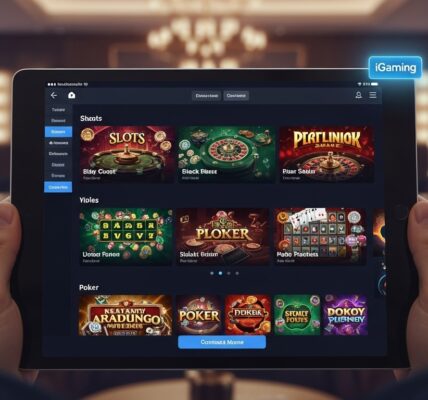


The iGaming industry has grown into one of the most lucrative and dynamic sectors in the global entertainment market. With its rise in popularity, the industry has witnessed rapid innovation, the development of cutting-edge technology, and the introduction of new business models that appeal to a global audience. From online casinos to sports betting, and eSports to virtual games, iGaming is redefining how people interact with gaming and betting platforms. This blog post explores the diverse facets of iGaming, its growth trajectory, the technology behind it, its economic impact, and the trends shaping its future.
What is iGaming?
iGaming, short for “Internet Gaming,” refers to any type of gaming or betting activity conducted online. It encompasses a wide array of digital gambling activities, such as online casinos, poker rooms, sports betting, and more recently, mobile gaming, esports betting, and virtual gaming. Essentially, iGaming allows players to enjoy gambling activities from the comfort of their homes or on-the-go through mobile apps.
As the digital landscape has evolved, so too has iGaming. The advent of high-speed internet, advanced software, and secure payment systems has transformed how people participate in gaming. Today, players from all corners of the world can engage with a variety of online games, compete in tournaments, place bets on live sports events, and even try their hand at virtual gambling experiences.
The Evolution and Growth of iGaming
The iGaming industry traces its roots back to the mid-1990s when the first online casino software was developed, and the first real-money online casino was launched. This marked the beginning of the digital revolution within the gaming world. The industry’s rapid expansion in the years that followed can be attributed to several factors, including the increasing internet penetration, the growing acceptance of digital payments, and the globalization of the gaming community.
By the early 2000s, online poker became a significant player in the iGaming sector, thanks to the boom in online poker rooms such as PokerStars and PartyPoker. Around the same time, online sports betting started to gain momentum, with major operators offering betting markets on various sports events. Fast forward to today, the iGaming industry has diversified into multiple verticals, including mobile gaming, live dealer games, eSports betting, fantasy sports, and much more.
In 2020, the global iGaming market was valued at over $60 billion, and analysts predict that it will continue to grow at a compound annual growth rate (CAGR) of 11% or more in the coming years. This growth is driven by an increasing number of players worldwide, an expanded range of games, and continuous improvements in user experience and game technology.
Key Components of iGaming
Online Casino Games
One of the cornerstones of the iGaming industry is online casinos. These platforms offer traditional casino games, such as blackjack, roulette, baccarat, and slots, but in a virtual setting. The virtual versions of these games mirror their brick-and-mortar counterparts but come with enhanced features such as higher payouts, live dealer options, and immersive graphics.
Online slots, in particular, have experienced explosive growth. The development of progressive jackpot slots, where players can win life-changing sums of money, has contributed to the sector’s popularity. Software providers like Microgaming, NetEnt, and Playtech are continually pushing the envelope in terms of game design, themes, and bonus features, making online casinos more appealing to a broader audience.
Sports Betting
Sports betting has long been a dominant force in the iGaming industry, and its importance has only increased in recent years. Online sportsbooks allow bettors to wager on various sports, including football, basketball, tennis, and even niche events like esports, politics, and reality TV shows.
The integration of in-play betting, where bettors can place wagers during live events, has added a new layer of excitement to sports betting. Mobile apps have further enhanced the user experience, allowing sports fans to place bets quickly and easily from their smartphones.
Poker
Poker is another staple of the iGaming world. Online poker rooms allow players to compete against each other in real-time for cash prizes. Tournaments like the World Series of Poker (WSOP) have been adapted to online platforms, offering players an opportunity to compete for prestigious titles from anywhere in the world.
The rise of poker as an esport has also given the game a fresh boost. Online poker tournaments now attract millions of viewers, and professional players have become celebrities in their own right. Thanks to the availability of live streaming platforms like Twitch, poker has transcended traditional gaming to become a globally recognized spectator sport.
eSports Betting
Esports, or competitive video gaming, has experienced a meteoric rise in recent years, and betting on esports has become an integral part of the iGaming landscape. Titles like League of Legends, Counter-Strike: Global Offensive, and Dota 2 have cultivated massive online communities, while major esports tournaments now attract millions of viewers and offer multimillion-dollar prize pools.
Betting on esports has gained a solid foothold in the iGaming industry, with betting markets now covering a wide range of competitive games. This has opened up new opportunities for bettors, particularly younger audiences, who are more inclined to follow and wager on digital sports. As esports continues to grow, so will its role in the iGaming ecosystem.
The Technology Behind iGaming
Technology plays a pivotal role in the iGaming sector. The use of sophisticated software, secure payment systems, and high-definition graphics ensures that players have an engaging and secure gaming experience. Let’s take a closer look at the technologies driving the industry forward.
Software Providers
The backbone of iGaming platforms lies in the hands of software developers. Companies such as Microgaming, Evolution Gaming, NetEnt, and Playtech create the games that online casinos and sportsbooks rely on. These developers are continuously improving game mechanics, graphics, and game features to keep players entertained and engaged.
Evolution Gaming, for example, is a leader in live dealer games, providing real-time experiences with professional dealers. This has become an essential aspect of modern online casinos, as it bridges the gap between the virtual and physical casino experience.
Artificial Intelligence and Data Analytics
Artificial Intelligence (AI) is increasingly being integrated into the iGaming industry to improve both user experience and operational efficiency. AI can help optimize game recommendations, predict player behavior, and even personalize bonus offers. Additionally, data analytics allows operators to track player activity, which can be used to tailor marketing efforts, detect fraud, and identify problematic gambling behaviors.
Blockchain and Cryptocurrencies
The emergence of blockchain technology and cryptocurrencies is another exciting development in iGaming. Blockchain ensures transparency and fairness, as every transaction can be verified on a decentralized ledger. Many iGaming platforms now accept cryptocurrencies like Bitcoin, Ethereum, and others, providing players with faster and more secure payment options.
Blockchain’s immutability also ensures that the outcomes of games are tamper-proof, offering players greater confidence in the fairness of the games. As more platforms adopt this technology, blockchain could revolutionize the way gaming operators manage their business.
Virtual Reality (VR) and Augmented Reality (AR)
Virtual Reality (VR) and Augmented Reality (AR) are set to transform the iGaming industry in the years to come. VR casinos, where players can interact with a fully immersive 3D environment, are already in development. These casinos simulate the experience of a land-based casino, allowing players to walk around, socialize with others, and even play games in a fully interactive setting.
AR, on the other hand, could enhance the sports betting experience by overlaying real-time statistics, player data, and even live odds directly onto a player’s environment. These technologies have the potential to take online gaming to a whole new level.
The Impact of iGaming on the Global Economy
The economic impact of iGaming cannot be overstated. The industry generates billions of dollars in revenue each year and provides jobs for thousands of people across the globe. It has also contributed significantly to the digital economy by fostering innovation and investment in technology.
Governments are increasingly recognizing the potential revenue streams from iGaming and have started to regulate and tax the industry. In jurisdictions where iGaming is legal, it has become a major source of tax revenue, which can be used to fund public services or infrastructure projects.
Additionally, the iGaming industry supports various ancillary sectors, such as payment processors, affiliate marketers, and software development companies. This creates a ripple effect across the global economy, benefiting other industries connected to the world of online gaming.
The Future of iGaming
As the iGaming industry continues to expand, several trends are likely to shape its future:
- Mobile-first Gaming: With more people using smartphones and tablets to access gaming platforms, mobile gaming will continue to dominate. Operators will focus on optimizing games and interfaces for mobile users.
- Increased Regulation: As the iGaming market grows, regulatory bodies will continue to adapt and create frameworks to ensure consumer protection and fair play. We are likely to see more governments legalizing and regulating online gaming to better capture tax revenues.
- AI and Automation: AI will become an integral part of the gaming experience, from personalized recommendations to automated customer service. Automation will streamline operations, making platforms more efficient and cost-effective.
- Increased Focus on Responsible Gambling: As awareness of problem gambling grows, iGaming operators will invest more in responsible gambling initiatives, offering tools and features to help players gamble safely and responsibly.
- The Metaverse: The concept of the metaverse could revolutionize iGaming by creating an interconnected virtual space where players can interact, compete, and socialize in ways never before possible.
Conclusion
iGaming has come a long way since its inception in the 1990s. With the continued advancement of technology and the expansion of digital markets, the industry is poised for even greater success. As online gambling continues to grow, it will continue to drive innovation and reshape the entertainment landscape. For players, it promises an exciting future filled with immersive experiences, greater accessibility