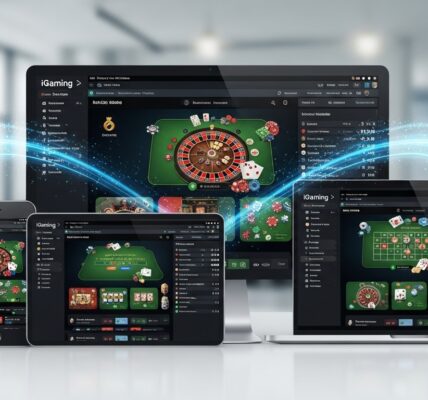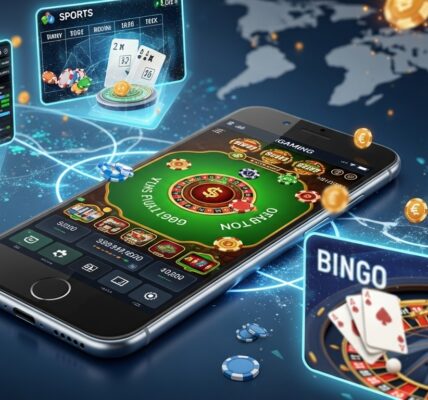
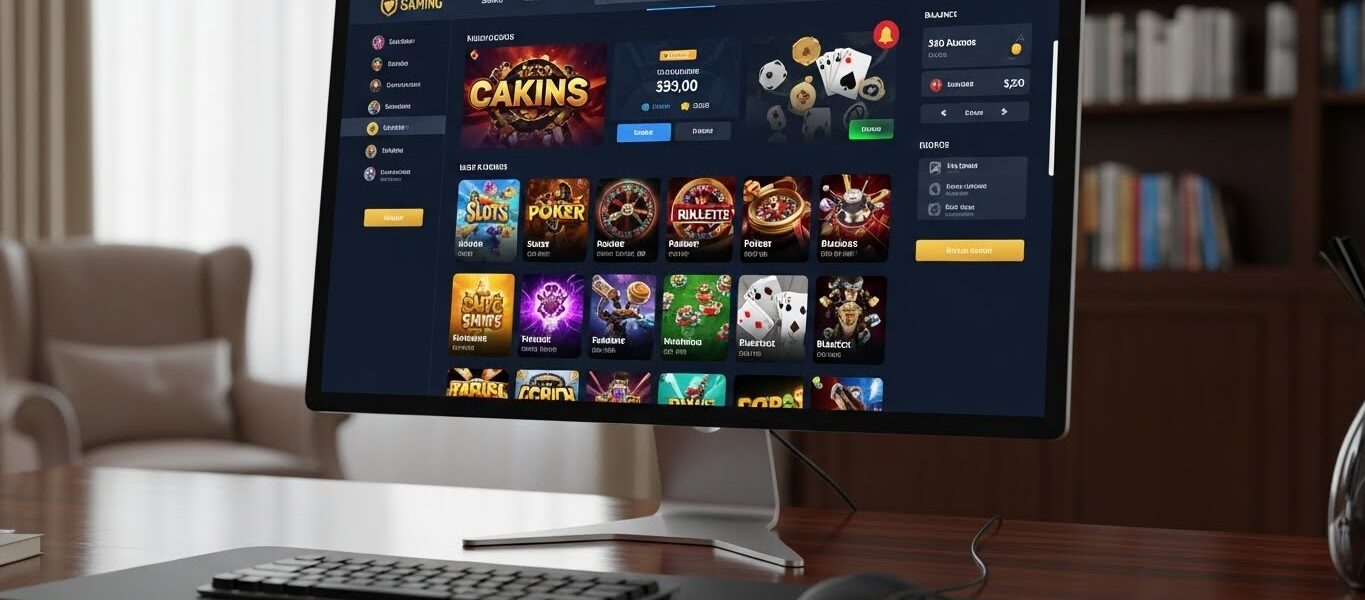

iGaming, or interactive gaming, has emerged as one of the most dynamic sectors in the entertainment industry. By combining technology, innovation, and user engagement, iGaming has transformed the way people play games and interact online. From digital casinos and poker platforms to sports betting and esports wagering, iGaming offers immersive experiences that appeal to millions of players worldwide. Its rapid growth has reshaped entertainment, influenced technology adoption, and created new social and economic opportunities.
Understanding iGaming
iGaming encompasses all forms of gambling and gaming conducted online. This includes casino games, poker, bingo, sports betting, fantasy sports, and competitive esports wagering. Unlike traditional gaming, iGaming allows users to participate anytime and anywhere using computers, smartphones, or tablets.
The appeal of iGaming lies in its convenience, variety, and interactive nature. Players can access a wide range of games without visiting physical venues, participate in real-time competitions, and engage with global communities. The combination of accessibility, technology, and entertainment has positioned iGaming as a major force in the digital economy.
The Evolution of iGaming
The roots of iGaming trace back to the late 1990s when the first online casinos appeared. Early platforms offered basic slot machines and card games, creating new opportunities for players who previously relied on physical casinos. As internet connectivity improved, platforms expanded their offerings, incorporating live dealer games, sports betting, and multiplayer options.
The 2000s marked the rise of regulated online gambling markets, ensuring security, fairness, and legal compliance. Mobile technology further accelerated iGaming’s growth, allowing users to play games on the go. Today, platforms integrate advanced graphics, live streaming, virtual reality, and artificial intelligence, delivering highly immersive experiences that rival traditional gaming environments.
The Popularity of Online Casinos
Online casinos are a cornerstone of iGaming. They offer a diverse range of games including slots, roulette, blackjack, baccarat, and poker. Digital casinos combine RNG (Random Number Generator) technology with live dealer games to ensure fairness while providing the excitement of a physical casino.
Live dealer technology streams real-time gameplay with professional dealers, allowing players to interact and place bets as they would in a traditional casino. Features like chat functions, customizable tables, and immersive audio-visual experiences enhance engagement, making online casinos a highly attractive form of digital entertainment.
Sports Betting and Fantasy Leagues
Sports betting is another major component of iGaming. Online platforms allow users to bet on football, basketball, horse racing, cricket, and other sports, with live updates and real-time odds. The convenience of placing bets from anywhere, combined with instant results, has made sports betting extremely popular.
Fantasy sports take engagement further by allowing players to create virtual teams and compete based on real-life performance. This gamified approach encourages strategy, research, and social interaction, attracting a younger demographic and expanding the appeal of digital betting.
Esports and Competitive Gaming
Esports has become a significant part of iGaming. Professional gaming competitions attract millions of viewers worldwide, and betting on these events has grown rapidly. Esports betting platforms allow users to wager on match outcomes, player performance, and tournament results, merging skill-based competition with interactive entertainment.
Fantasy esports leagues and prediction markets offer unique ways for players to participate, fostering community engagement and expanding the digital ecosystem. Esports-related iGaming highlights the intersection of competitive gaming, technology, and social interaction.
Technology Driving iGaming
iGaming relies heavily on technological innovation. Platforms integrate software development, cybersecurity, artificial intelligence, and mobile optimization to deliver seamless user experiences.
Random Number Generators (RNGs) ensure game fairness, while blockchain technology enhances transparency and secure transactions. Artificial intelligence enables personalized recommendations, adaptive gameplay, and fraud detection. Mobile platforms ensure accessibility, allowing players to enjoy games on smartphones and tablets anywhere in the world.
Mobile iGaming
Mobile technology has been a game-changer for iGaming. Smartphones and tablets allow users to access games, place bets, and monitor progress on the go. Mobile optimization ensures smooth gameplay, intuitive interfaces, and compatibility across devices.
Apps and responsive web platforms provide notifications, promotions, and live updates, keeping players engaged and informed. The convenience of mobile gaming has contributed significantly to iGaming’s global popularity and accessibility.
Regulation and Responsible Gaming
Regulation is critical to ensuring safety, fairness, and sustainability in iGaming. Licensed platforms must adhere to strict rules regarding payouts, data protection, and ethical operations. Regulatory frameworks vary by country, but all aim to create a secure environment for players.
Responsible gaming initiatives are central to ethical iGaming practices. Tools such as deposit limits, self-exclusion options, and educational resources help prevent gambling addiction and promote safe participation. Platforms that prioritize player welfare build trust and credibility, which is essential for long-term growth.
Economic Impact of iGaming
iGaming has a significant economic footprint. The industry generates revenue through game fees, betting margins, subscriptions, and advertising. It creates employment opportunities in software development, marketing, customer support, data analysis, and regulatory compliance.
Global platforms attract international audiences, generating cross-border revenue and stimulating economic growth. Licensing fees, taxation, and regulatory compliance also contribute to local economies. The economic significance of iGaming highlights its role as a major component of the digital entertainment industry.
Social and Cultural Influence
iGaming has transformed social interactions and entertainment culture. Online communities, tournaments, and multiplayer features encourage social engagement, collaboration, and competition. Players interact through chat, forums, and live streams, creating shared experiences and fostering a sense of community.
Culturally, iGaming reflects broader trends in digital entertainment, technology adoption, and consumer behavior. Popular games, betting platforms, and esports events influence social media, fashion, and media content, shaping trends and creating cultural touchpoints across global audiences.
Security and Cybersecurity
Security is a major concern in iGaming. Platforms must protect user data, financial transactions, and personal information. Encryption, two-factor authentication, and secure payment gateways are essential components of a safe gaming environment.
Cybersecurity also involves monitoring for fraud, money laundering, and unfair practices. Regulatory compliance and robust security systems ensure player trust and the long-term sustainability of the industry.
Challenges in iGaming
Despite its growth, iGaming faces challenges. Problem gambling remains a significant concern, requiring ongoing responsible gaming initiatives. Regulatory differences across countries can complicate platform operations and market expansion.
Competition is intense, with numerous platforms vying for user attention. Ensuring technological innovation, user experience, and secure operations is essential for maintaining relevance and trust in a rapidly evolving market.
The Future of iGaming
The future of iGaming is full of innovation and expansion. Virtual reality and augmented reality will enhance immersive experiences, creating digital casinos and gaming environments that feel real. Artificial intelligence will personalize gameplay, offer predictive insights, and improve customer engagement.
Blockchain technology will enable transparent transactions, smart contracts, and decentralized gaming, appealing to tech-savvy audiences. Mobile platforms, social gaming, and esports integration will continue to expand audiences, making iGaming more accessible and interactive.
Conclusion
iGaming has transformed the entertainment industry by combining technology, convenience, and interactivity. Online casinos, sports betting, fantasy leagues, and esports wagering offer immersive experiences that appeal to diverse audiences worldwide.
Technological advancements such as mobile platforms, artificial intelligence, live dealer games, and blockchain have enhanced the user experience while ensuring security, fairness, and accessibility. Regulation and responsible gaming initiatives further ensure a safe and ethical environment.
Economically, socially, and culturally, iGaming has become a major industry with global influence. It continues to redefine digital entertainment, foster community engagement, and drive innovation. As technology evolves and audiences seek immersive, interactive experiences, iGaming is poised to remain a central feature of the modern digital landscape, blending entertainment, competition, and technology in unprecedented ways.