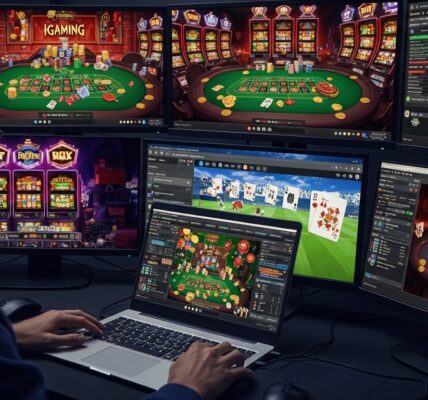


Introduction to the World of iGaming
iGaming, or interactive gaming, has become one of the fastest-growing sectors in the digital entertainment industry. It refers to the act of placing bets or playing games of chance and skill over the internet. This broad category includes online casinos, sports betting, poker, bingo, and even esports wagering. Over the past two decades, iGaming has evolved from a niche form of entertainment into a global phenomenon that attracts millions of players daily. With rapid technological advancements, improved internet connectivity, and the increasing use of smartphones, the iGaming industry has undergone a massive transformation, reshaping how people experience digital leisure.
The rise of iGaming has not only changed how people play games but also how they interact with technology, money, and community. It has blurred the lines between gaming and gambling, introducing exciting innovations while also raising discussions around ethics, regulations, and responsible play.
The Origins of iGaming
The story of iGaming began in the mid-1990s when the internet started to become widely accessible. The first online casino was launched in 1994 after the introduction of the Free Trade and Processing Act by Antigua and Barbuda, which allowed licenses for online gambling operators. At that time, the concept of wagering real money through a computer seemed revolutionary.
As internet speeds improved and online security systems became more advanced, more players began trusting digital platforms to handle their transactions safely. Early iGaming sites offered simple casino games such as blackjack, roulette, and slots, but they paved the way for an industry that would eventually be worth hundreds of billions of dollars.
Technological Advancements Powering iGaming
Technology has always been the driving force behind iGaming’s growth. The introduction of better graphics, faster internet, and secure payment systems transformed basic online gambling into immersive digital entertainment.
The emergence of HTML5 technology allowed developers to design games that worked seamlessly across different devices, from desktops to smartphones. Mobile gaming became the cornerstone of iGaming, giving players the freedom to play anytime and anywhere.
Furthermore, advancements in artificial intelligence, machine learning, and data analytics have enhanced player experiences. Platforms now use AI algorithms to recommend games, detect fraud, and ensure fair play. Live dealer technology, which streams human dealers in real-time, bridges the gap between virtual and physical casinos, creating an authentic experience for users.
The Rise of Mobile iGaming
One of the most significant shifts in iGaming has been the move toward mobile platforms. The increasing affordability and power of smartphones have allowed millions of players to access online casinos and betting sites directly from their pockets.
Mobile applications are designed with sleek interfaces, touch-friendly gameplay, and quick payment options. Players can now spin slot machines, bet on sports, or play poker while commuting or relaxing at home.
This convenience has contributed to the massive expansion of the industry, as players no longer need a computer to enjoy iGaming experiences. Operators have invested heavily in optimizing mobile versions of their websites, ensuring compatibility across Android and iOS devices.
Popular Segments within iGaming
iGaming covers a vast range of activities, each appealing to different audiences and play styles.
Online Casinos
Online casinos remain the backbone of iGaming. They offer digital versions of traditional casino games like blackjack, roulette, poker, and slot machines. These platforms often include vibrant visuals, sound effects, and bonus systems to engage players.
Sports Betting
Sports betting has a long history and has seamlessly transitioned into the digital age. Players can place bets on their favorite sports events, including football, basketball, tennis, and esports. The thrill of predicting outcomes and the excitement of live betting make this segment one of the most profitable in the iGaming sector.
Online Poker
Online poker has created a global community of competitive players. Platforms host tournaments where users from around the world compete for prizes. The combination of strategy, psychology, and skill makes poker one of the most respected forms of iGaming.
Bingo and Lottery
Online bingo and lottery platforms offer casual gaming experiences that attract a broad audience. These games rely more on chance than skill but remain popular due to their simplicity and social aspects.
Esports Betting
Esports betting is the latest addition to the iGaming world. As competitive gaming has grown in popularity, betting platforms have started allowing wagers on tournaments for games like League of Legends, Dota 2, and Counter-Strike. This segment appeals particularly to younger audiences familiar with digital gaming culture.
The Business Side of iGaming
The iGaming industry generates massive revenue annually, supported by a combination of user engagement, advertising, and partnerships. Operators invest heavily in developing user-friendly interfaces, rewarding loyalty programs, and maintaining robust security systems.
Payment solutions have evolved to accommodate global audiences. Players can deposit and withdraw using digital wallets, credit cards, or even cryptocurrencies. The rise of blockchain technology has further improved transparency and fairness in online gambling, as it allows for secure and verifiable transactions.
Affiliates and marketing partnerships also play a crucial role in the business ecosystem of iGaming. Influencers, bloggers, and comparison websites help drive traffic to gaming platforms, earning commissions for referrals.
Regulation and Licensing in iGaming
Regulation remains one of the most critical aspects of the iGaming industry. Governments around the world have implemented laws to ensure fair play, protect players, and prevent illegal activities such as money laundering.
Licenses are issued by various jurisdictions, including Malta, Gibraltar, the Isle of Man, and the United Kingdom. A licensed operator must adhere to strict guidelines regarding security, transparency, and responsible gambling.
Unregulated markets, however, continue to exist, posing risks to players. These platforms often operate without oversight, which can lead to unfair practices or lack of data protection. Therefore, players are encouraged to choose regulated and reputable sites for their gaming activities.
The Role of Artificial Intelligence in iGaming
Artificial intelligence has transformed how iGaming platforms operate. AI systems are used to personalize user experiences, detect suspicious behavior, and improve game design.
Through predictive analytics, operators can understand player preferences and offer tailored recommendations. AI also assists in identifying problem gambling patterns, allowing operators to intervene early and promote responsible gaming practices.
Moreover, chatbots powered by AI provide instant customer support, guiding players through transactions, rules, or troubleshooting issues efficiently.
Virtual Reality and Augmented Reality in iGaming
Virtual Reality (VR) and Augmented Reality (AR) are redefining the iGaming landscape. These technologies immerse players in lifelike gaming environments, making them feel as if they are sitting at a real casino table.
VR casinos allow users to walk through virtual halls, interact with dealers, and communicate with other players. Augmented Reality enhances live gaming experiences by overlaying digital information onto physical spaces, adding layers of engagement.
As these technologies become more affordable, VR and AR are expected to dominate the next phase of iGaming evolution.
Social and Psychological Aspects of iGaming
iGaming is not just about winning money; it is about entertainment, community, and engagement. Many players enjoy the thrill of competition, the excitement of chance, and the social interaction provided by multiplayer features.
However, iGaming also carries psychological implications. The accessibility of digital platforms can lead to addictive behaviors if not managed responsibly. Recognizing this, responsible gaming initiatives promote awareness, offering tools such as spending limits, self-exclusion options, and educational resources to help maintain healthy habits.
The Impact of Esports on iGaming
The relationship between esports and iGaming continues to grow stronger. Esports tournaments attract millions of viewers worldwide, and betting on competitive matches has become a major part of the iGaming economy.
The integration of esports betting into traditional gaming platforms has created new revenue opportunities and diversified the industry’s audience. It also bridges the gap between gaming and gambling, introducing innovative ways to engage fans.
The Future of iGaming
The future of iGaming looks incredibly promising, driven by technological innovation and expanding global markets. With the development of 5G networks, cloud gaming, and blockchain-based casinos, the next decade will redefine how players experience online entertainment.
The rise of digital currencies is likely to make transactions faster, cheaper, and more secure. Additionally, the integration of metaverse concepts could bring about fully immersive casino worlds where players can interact in real-time, purchase digital assets, and personalize their virtual gaming environments.
AI-driven game design will ensure more dynamic and adaptive gaming experiences, while VR and AR will continue to blur the boundaries between real and virtual spaces.
Ethical and Responsible Gaming Practices
As iGaming grows, so does the responsibility to ensure that it remains safe and fair. Operators are increasingly focusing on responsible gaming measures to prevent addiction and protect vulnerable individuals.
Educational campaigns, transparent game mechanics, and AI-driven monitoring systems are becoming standard industry practices. By promoting awareness and providing players with control over their habits, the iGaming sector aims to build a sustainable future.
Conclusion
iGaming has evolved from humble beginnings into a dominant force in global entertainment. It combines technology, psychology, and innovation to create experiences that captivate millions. From online casinos and sports betting to VR-driven platforms and esports wagering, iGaming continues to push the boundaries of digital leisure.
As technology continues to advance, the future of iGaming promises even more immersive, secure, and personalized experiences. With responsible regulation, fair play, and a focus on user well-being, the iGaming industry is poised to remain at the forefront of the digital entertainment revolution.