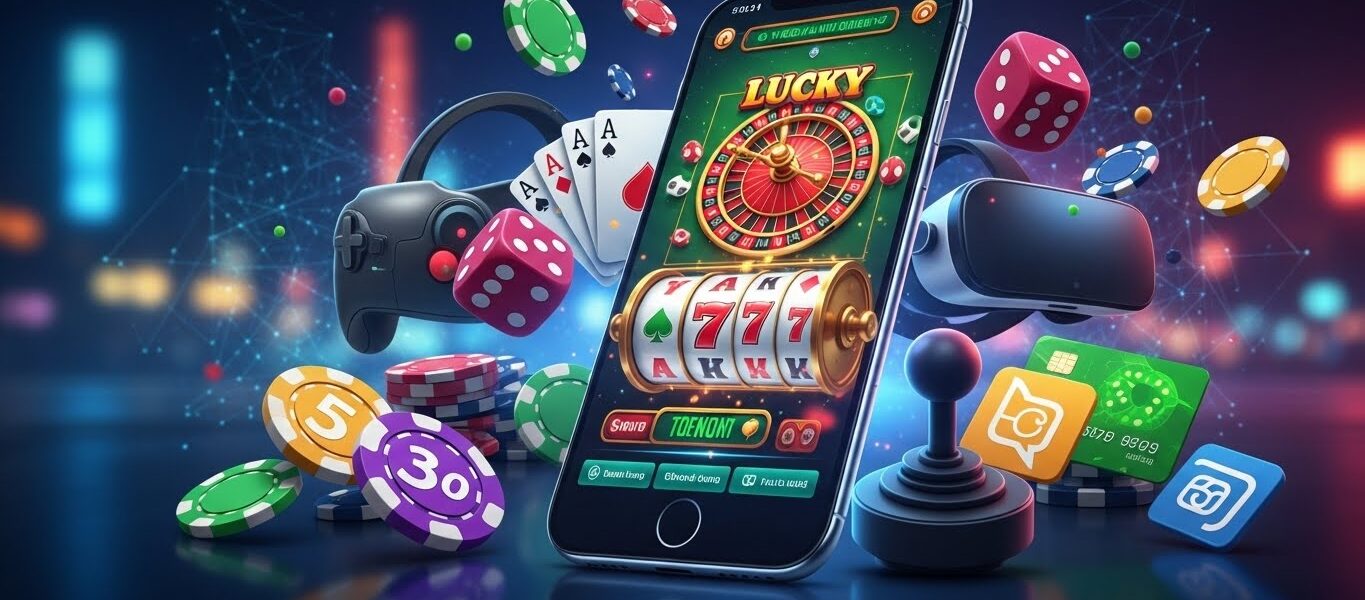
iGaming Revolution: How Online Gaming is Transforming Entertainment and Technology

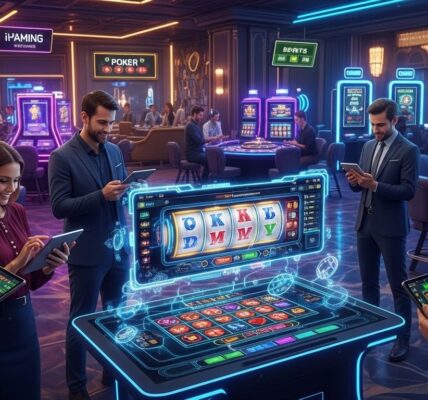
The digital age has brought profound changes to the way people play, compete, and interact with games. iGaming, or interactive gaming, represents a significant evolution of the traditional gaming industry, combining technology, entertainment, and competition. From online casinos and sports betting to fantasy leagues and skill-based games, iGaming has reshaped entertainment while creating new opportunities, challenges, and experiences for players worldwide.
Understanding iGaming
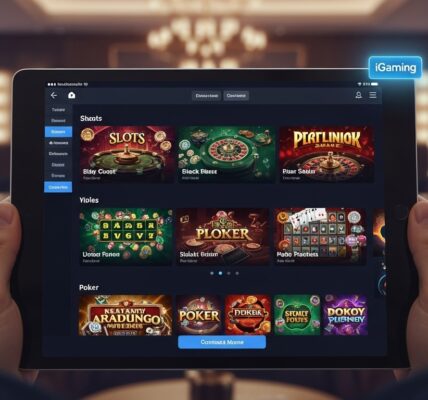
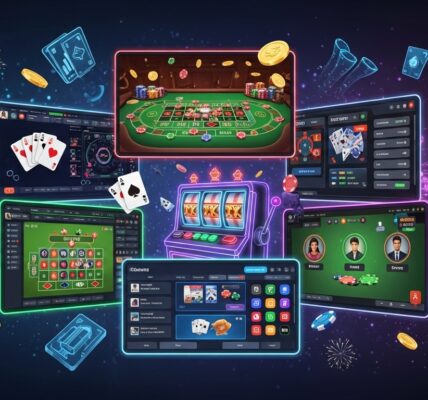
iGaming refers to the digital form of gaming where participants engage in games of chance or skill via online platforms. Unlike traditional gaming, iGaming allows players to access games anytime and anywhere using computers, smartphones, or tablets. The sector includes online casino games, poker, sports betting, bingo, fantasy sports, and esports wagering.
The rise of iGaming has been fueled by advancements in internet connectivity, mobile technology, secure payment systems, and interactive platforms. This accessibility has attracted a diverse audience, creating a global community of players and enthusiasts.
The Evolution of iGaming
The origins of iGaming date back to the late 1990s when the first online casinos emerged. Early platforms offered simple slot machines and basic card games, but the industry quickly evolved with the introduction of live dealer games, real-time betting, and immersive graphics.
The 2000s saw the growth of online poker, sports betting platforms, and regulated gambling markets. Technology improvements such as high-speed internet, secure encryption, and mobile optimization made iGaming more accessible and engaging. Today, iGaming includes sophisticated platforms, virtual reality casinos, and live esports betting, offering an experience comparable to, and sometimes surpassing, physical gaming venues.
The Appeal of iGaming
iGaming appeals to players for several reasons. First, it offers convenience. Players can participate from home, while traveling, or anywhere with internet access. The ability to play at any time makes iGaming highly flexible and attractive.
Second, iGaming provides variety. Platforms offer a wide range of games, including slots, table games, poker, sports betting, and skill-based challenges. Players can explore new games without the constraints of physical casinos.
Third, iGaming enhances engagement through technology. Features like live dealers, interactive interfaces, multiplayer modes, and real-time analytics create immersive and social experiences that replicate or enhance traditional gaming environments.
iGaming Platforms and Technology
The technology behind iGaming platforms is sophisticated, combining software development, cybersecurity, and user experience design. Key components include:
Random Number Generators
Random number generators (RNGs) ensure fairness and unpredictability in games such as slots, roulette, and card games. RNG technology is crucial to maintaining trust and compliance in iGaming.
Live Dealer Technology
Live dealer games stream real-life dealers to players’ devices in real time, bridging the gap between online and physical casinos. This technology uses high-quality video, interactive interfaces, and real-time betting to replicate authentic casino experiences.
Mobile Optimization
Mobile gaming is a critical aspect of iGaming, as smartphones and tablets dominate user access. Platforms are optimized for mobile devices, offering smooth gameplay, intuitive controls, and seamless transitions between devices.
Payment and Security Systems
Secure payment gateways, encryption protocols, and identity verification systems ensure safe transactions and protect user data. Trusted platforms provide multiple payment options, including credit cards, e-wallets, and cryptocurrencies.
iGaming and Esports
Esports has become a prominent component of iGaming. Betting on competitive gaming tournaments offers a new dimension of engagement, combining skill-based competition with wagering opportunities. Fantasy esports leagues and prediction markets allow players to participate in unique ways, enhancing the social and entertainment value of both gaming and betting.
Esports-related iGaming attracts younger demographics and expands the appeal of online gambling platforms, creating crossover opportunities between traditional betting, skill-based games, and competitive video gaming.
Regulatory Landscape of iGaming
Regulation is a critical factor in the growth of iGaming. Different countries have developed legal frameworks to manage online gaming, ensuring fairness, taxation, and responsible gambling. Licensed platforms must adhere to strict standards regarding payouts, security, and player protection.
Responsible gaming initiatives are also integral to regulation. Tools such as deposit limits, self-exclusion options, and educational resources help prevent problem gambling and promote safe participation. Compliance with these regulations builds trust and sustainability in the iGaming sector.
The Economic Impact of iGaming
iGaming has a significant economic footprint. The industry generates revenue through game sales, betting fees, subscriptions, advertising, and partnerships. It provides employment in software development, marketing, customer support, data analysis, and regulatory compliance.
Local economies benefit from taxation and licensing fees, while global platforms attract international audiences. The economic influence of iGaming underscores its position as a major sector within the entertainment and digital economy.
Social and Cultural Influence
iGaming has shaped social behaviors and cultural trends. Online communities, tournaments, and social features encourage interaction among players, fostering engagement and shared experiences. Gamification elements, loyalty programs, and achievements enhance the sense of accomplishment and competition.
Culturally, iGaming reflects trends in digital entertainment, technology adoption, and social gaming preferences. It also influences media, marketing, and even fashion, with popular games and platforms creating recognizable cultural icons and shared references among global audiences.
Technology Driving Innovation
Technological innovation continues to transform iGaming. Virtual reality and augmented reality offer immersive casino and gaming experiences, while artificial intelligence enhances personalized recommendations, game design, and predictive analytics.
Blockchain technology introduces transparency, security, and decentralized payment solutions. Smart contracts and cryptocurrency integration allow instant, verifiable transactions, appealing to tech-savvy players and increasing trust in online platforms.
Challenges and Risks in iGaming
While iGaming offers numerous opportunities, it also faces challenges. Cybersecurity threats, fraud, and money laundering require robust preventive measures. Platforms must invest in secure systems, monitoring, and regulatory compliance to maintain player safety.
Problem gambling remains a concern. Operators are responsible for promoting responsible gaming and providing tools to support users who may experience addictive behaviors. Balancing entertainment with ethical practices is crucial for the long-term sustainability of iGaming.
The Future of iGaming
The future of iGaming is dynamic and promising. Integration of emerging technologies such as virtual reality, augmented reality, AI-driven personalization, and blockchain will continue to enhance experiences. Mobile gaming, social interaction, and esports-related betting will expand audiences further.
As regulatory frameworks evolve and technology advances, iGaming is likely to become more secure, immersive, and accessible. Platforms will continue to innovate, offering personalized experiences that cater to diverse audiences while maintaining ethical and legal standards.
Conclusion
iGaming represents a revolution in entertainment, blending technology, social interaction, and competition. From online casinos and poker to esports betting and fantasy leagues, the sector offers convenience, variety, and immersive experiences to players worldwide.
The growth of iGaming has been driven by technological innovation, mobile accessibility, and global connectivity. At the same time, responsible gaming practices, regulation, and secure platforms ensure fair, ethical, and safe participation.
Economically, socially, and culturally, iGaming has become a powerful industry that shapes digital entertainment and gaming culture. Its evolution demonstrates how technology and creativity combine to redefine leisure, engagement, and interaction in the 21st century.
As innovation continues, iGaming is poised to expand further, offering experiences that are immersive, engaging, and accessible to a global audience. The fusion of technology, entertainment, and competition ensures that iGaming will remain a defining feature of modern digital life.