
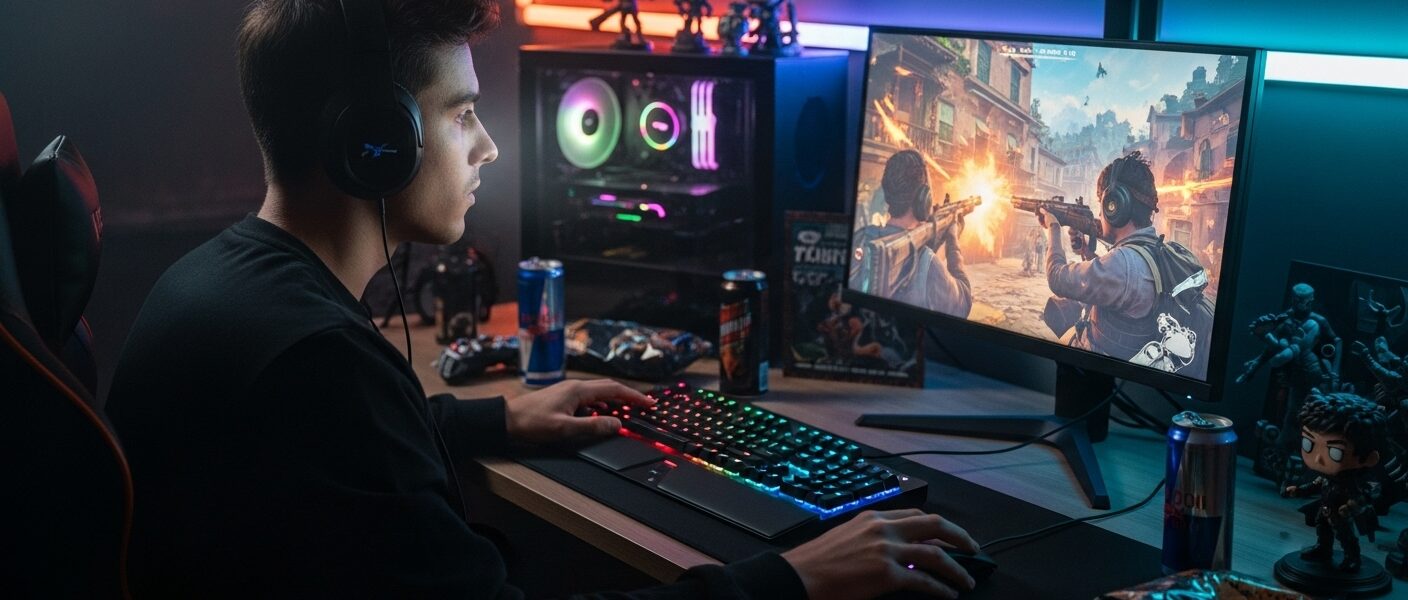

The world of professional gaming, or esports, has evolved into a global phenomenon where players are not just gamers but athletes of the digital arena. Behind every successful pro gamer lies not only skill and dedication but also a unique mindset that allows them to perform at peak levels under intense pressure. Understanding what goes on inside the mind of a pro gamer offers valuable insights into what separates the best from the rest. It’s a fascinating blend of psychology, discipline, mental conditioning, and passion that shapes these competitors into world-class performers.
The Evolution of the Modern Pro Gamer
Gone are the days when gaming was considered a simple hobby. Today, esports is a billion-dollar industry, and professional gamers are treated like celebrities. They participate in global tournaments, sign sponsorship deals, and have millions of followers watching their every move. However, reaching this level requires more than just love for video games. It demands a complete transformation in how a gamer thinks, trains, and competes.
The journey of a pro gamer often starts in childhood. Most begin playing casually, discovering a passion for a particular game. Over time, they notice their competitive edge, their ability to think strategically, and their drive to improve. What separates them from regular players is their desire to go beyond fun and pursue mastery. This shift from casual play to professional pursuit marks the beginning of the mental evolution every pro gamer undergoes.
The Competitive Mindset
At the core of every pro gamer’s mentality lies competitiveness. They don’t just want to play; they want to win. This drive fuels countless hours of practice, analyzing replays, studying strategies, and experimenting with different approaches. Unlike casual players who may get frustrated after a few losses, pro gamers see defeat as a learning experience. They view each failure as an opportunity to identify weaknesses and refine their skills.
This competitive mindset also means having the ability to handle pressure. Esports tournaments are intense, often featuring massive audiences and high stakes. A pro gamer’s ability to remain calm, make quick decisions, and execute precise movements under pressure is what sets them apart. They train their minds to focus on performance rather than distractions, a skill that takes years to develop.
The Role of Mental Endurance
Pro gaming requires immense mental endurance. Matches can last for hours, and the constant focus needed can be exhausting. Maintaining high performance during long tournaments or extended gaming sessions takes both physical and mental stamina. A pro gamer’s mind must be conditioned to handle fatigue, stress, and the emotional rollercoaster that comes with competition.
Mental endurance also includes the ability to bounce back from setbacks. Losing a major match or missing a crucial shot can be devastating, but pro gamers must recover quickly. They can’t afford to dwell on mistakes during gameplay. This resilience comes from continuous mental conditioning, mindfulness exercises, and experience gained over time.
Focus and Flow: The Peak Performance State
One of the most fascinating psychological aspects of pro gaming is the state of “flow.” This is when a gamer becomes completely immersed in the game, losing awareness of time and surroundings. Every move feels natural, reactions are instantaneous, and performance is at its peak. Achieving this state consistently is a hallmark of top-level players.
Reaching flow requires preparation and focus. Pro gamers develop routines to help them enter this state before matches. This might include specific warm-up games, breathing exercises, or even mental visualization. By creating consistent pre-game rituals, they condition their minds to switch into competitive mode instantly.
Strategic Thinking and Game Sense
Pro gamers are not just fast and accurate; they are also highly intelligent strategists. Game sense—an intuitive understanding of the game’s flow, timing, and opponent behavior—is a crucial skill. This ability allows players to anticipate enemy moves, make split-second decisions, and adapt to changing situations.
Developing game sense takes years of experience and deep analysis. Pro gamers often review recordings of their matches, studying every decision they made. They also analyze opponents, identifying patterns and weaknesses. Much like chess masters, they think several steps ahead, predicting outcomes and adjusting their strategies accordingly.
Strategic thinking also involves communication and teamwork, especially in team-based games like League of Legends, Counter-Strike, or Dota 2. Pro gamers must coordinate with teammates seamlessly, making decisions collectively and reacting in perfect harmony. This requires trust, awareness, and mutual understanding, all cultivated through countless hours of practice together.
Emotional Control and Stress Management
The emotional rollercoaster of esports can be overwhelming. The highs of victory and the lows of defeat can impact a player’s performance if not managed correctly. Pro gamers must master emotional control to maintain consistent focus. Anger, frustration, or overconfidence can cloud judgment and lead to mistakes.
To maintain composure, many professionals practice mindfulness and meditation. These techniques help them stay grounded, focus on the present moment, and control emotional responses. Some teams even employ sports psychologists to help players manage stress and mental fatigue. Understanding how to control emotions during competition is just as important as mechanical skill.
Confidence and Self-Belief
Confidence is another defining trait of a pro gamer’s mindset. Believing in one’s abilities, even when facing tough opponents, is essential. Without self-belief, hesitation sets in, and hesitation is costly in competitive gaming. Confidence, however, must be balanced—too much leads to arrogance, while too little leads to fear.
Pro gamers build confidence through consistent training and performance. They trust their preparation, knowing that every hour of practice contributes to their readiness. This self-assurance allows them to take calculated risks, execute bold plays, and maintain composure under pressure. Confidence also fuels motivation, pushing them to improve and achieve more.
The Discipline Behind the Scenes
The life of a professional gamer may seem glamorous, but behind the scenes lies a disciplined routine. Training schedules can rival those of traditional athletes. Pro gamers often practice eight to twelve hours a day, focusing on improving reflexes, mechanics, and coordination.
Their daily routines include specific warm-ups, drills, strategy sessions, and scrimmages against other teams. They also dedicate time to physical exercise, proper nutrition, and sleep—factors that play a significant role in maintaining optimal performance. Contrary to stereotypes, modern pro gamers understand that physical health directly affects mental sharpness.
Discipline extends beyond gameplay. Pro gamers must also manage their time effectively, balancing competition, streaming, sponsorship obligations, and personal life. Maintaining this balance requires strong organizational skills and dedication.
Learning and Adaptability
In esports, games evolve rapidly. Developers release updates, patches, and balance changes that alter gameplay dynamics. A strategy that worked last month may become obsolete overnight. Pro gamers must adapt quickly, learning new mechanics and discovering new meta strategies.
Adaptability is one of the most valuable mental skills in professional gaming. The ability to learn and unlearn, to embrace change rather than resist it, ensures longevity in a constantly shifting competitive landscape. Pro gamers often spend time experimenting with new tactics, testing different playstyles, and staying ahead of the curve.
Team Dynamics and Communication
For team-based esports, mental synchronization with teammates is essential. Communication, trust, and chemistry are key components of success. Each player must understand their role within the team, anticipate teammates’ actions, and react in unison.
Team synergy comes from both in-game practice and off-game bonding. Successful teams often spend time together outside of gaming to strengthen relationships and build trust. This emotional connection translates into smoother coordination and better performance during high-pressure matches.
Handling Fame and Public Pressure
Becoming a professional gamer often brings fame, fanbases, and media attention. While this can be rewarding, it also adds pressure. Every action, performance, and statement is scrutinized by fans and critics alike. Maintaining mental balance amid such attention is challenging.
Pro gamers must learn to separate their public persona from their personal life. Some face online criticism or toxic comments that can affect self-esteem. The ability to block out negativity and focus on the game is a crucial mental skill. Support from teammates, family, and professional counselors helps them manage this aspect of fame.
Motivation and Passion
Passion is the fuel that drives every pro gamer. Without it, the grueling hours of practice and constant competition would be unbearable. Passion keeps them motivated through failures and burnout. It’s the force that makes them pick up the controller or keyboard every day and strive for perfection.
However, passion must be managed carefully. Burnout is a real issue in esports, with some players retiring early due to exhaustion. Balancing rest, relaxation, and competitive drive ensures sustainability in a pro gamer’s career.
The Science of Reaction and Reflex
The cognitive abilities of pro gamers are often compared to those of elite athletes. Studies have shown that professional gamers have exceptional hand-eye coordination, faster reaction times, and superior multitasking skills. Their brains process information and respond faster than the average person’s, a result of thousands of hours of practice.
Pro gamers train their reflexes using drills, reaction timers, and practice modes. They develop muscle memory that allows them to perform complex actions almost subconsciously. This combination of mental acuity and physical precision forms the foundation of their in-game performance.
The Role of Psychology in Esports Training
Many esports teams now employ psychologists to help players improve focus, teamwork, and resilience. Mental training is becoming as important as mechanical training. Techniques such as visualization, goal setting, and positive self-talk are widely used to enhance performance.
Visualization allows gamers to imagine different scenarios, mentally rehearsing plays before executing them. Goal setting helps break down long-term objectives into achievable milestones, keeping motivation high. Positive self-talk combats doubt, reinforcing confidence and focus.
Overcoming Failure and Setbacks
Every pro gamer experiences failure. Whether it’s losing a crucial tournament or being benched by a team, setbacks are inevitable. What distinguishes champions is their response to failure. Instead of viewing it as defeat, they treat it as a stepping stone toward improvement.
Resilience is built through reflection and adaptation. Many players review their performances, identify mistakes, and develop strategies to avoid repeating them. They also rely on support networks—coaches, teammates, and mentors—to regain motivation and perspective after tough losses.
The Pursuit of Perfection
Inside the mind of a pro gamer lies an unrelenting pursuit of perfection. They constantly analyze, adjust, and evolve. There’s always a faster reaction, a smarter play, or a better decision waiting to be discovered. This mindset of continuous improvement is what keeps them at the top of their game.
The drive for perfection also fosters innovation. Many iconic gaming strategies or plays were born from experimentation and risk-taking. Pro gamers push boundaries, redefining how games are played and inspiring future generations to follow their path.
The Legacy and Future of Pro Gaming
As esports continues to grow, the psychology of pro gamers will remain a key focus. Future generations will study their mental frameworks, much like traditional athletes study legends of their sport. The mind of a pro gamer represents the perfect fusion of focus, creativity, and resilience.
The evolution of esports psychology will likely lead to more structured training programs, mental health support systems, and advanced cognitive research. This will not only improve player performance but also contribute to healthier, longer careers.
Conclusion
Inside the mind of a pro gamer lies a complex blend of passion, discipline, intelligence, and resilience. These individuals operate at the intersection of art and science, transforming games into high-stakes arenas of strategy and skill. Their journey is not just about winning matches but mastering themselves—mentally, emotionally, and physically.