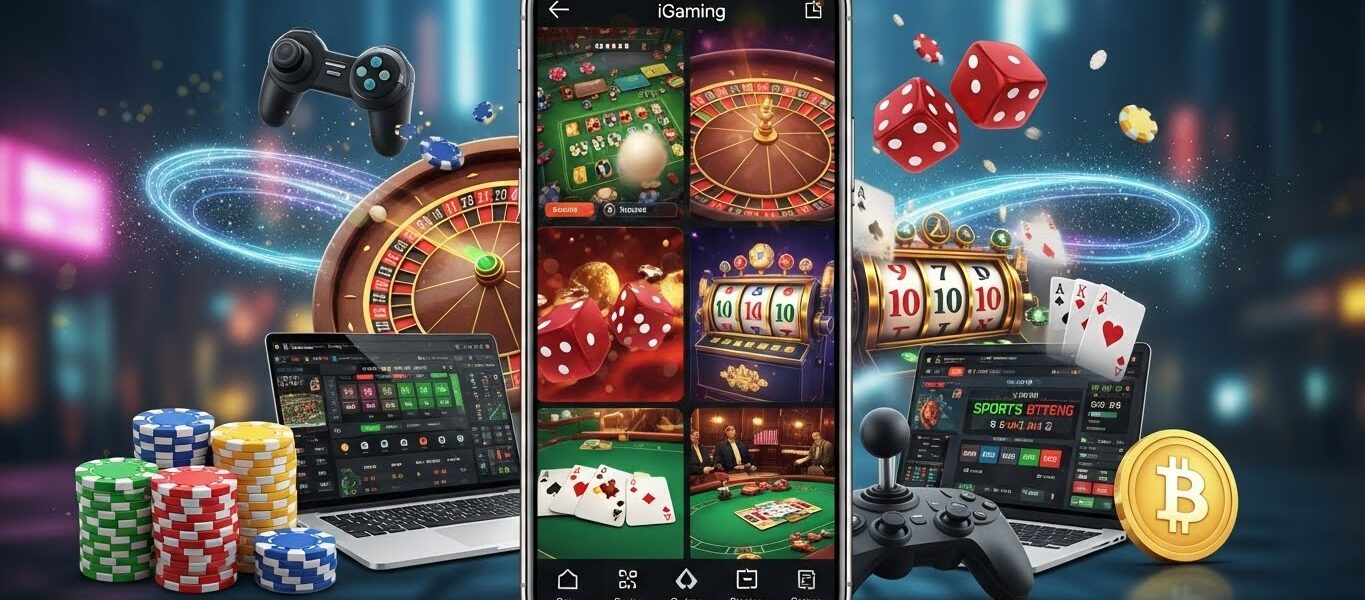

The gaming industry has evolved tremendously over the past few decades, and one of the most transformative developments has been the rise of iGaming. This term, which refers to online gambling or interactive gaming, has reshaped the way people engage with games of chance, skill, and competition. iGaming includes everything from online casinos and poker rooms to sports betting and esports wagering, offering players the chance to place bets, enjoy games, and compete from the comfort of their own homes or on-the-go.
In this blog post, we will explore what iGaming is, how it has grown over the years, the technological innovations driving its evolution, and the future of the industry. With the increasing popularity of online gaming, understanding its impact on both players and operators is crucial for anyone looking to dive into this booming sector.
What is iGaming?
iGaming, short for “interactive gaming,” refers to all forms of online gambling and betting that allow players to participate in real-money games via the internet. This includes a variety of activities such as online casinos, poker rooms, sports betting, and even newer forms of gaming like esports wagering. The defining feature of iGaming is that it takes place on digital platforms, meaning players can engage with their favorite games from anywhere in the world as long as they have an internet connection.
Unlike traditional brick-and-mortar casinos and betting shops, iGaming offers unparalleled convenience. Players are no longer required to travel to a physical location to place bets or play casino games. With just a few clicks, they can access a vast array of options, from traditional table games like blackjack and roulette to newer, digital-only games that have emerged in recent years.
A Brief History of iGaming: From Physical Casinos to Online Platforms
While gambling has existed for thousands of years in various forms, the modern era of iGaming truly began in the mid-1990s with the advent of the internet. The 1994 passing of the Free Trade & Processing Act in Antigua and Barbuda marked the beginning of legal online gambling. This legislation allowed companies to set up online casinos and offer real-money gaming to players worldwide.
The first online casino launched in 1994, but it wasn’t until the late 1990s and early 2000s that online gambling started to become more mainstream. The rapid growth of the internet, combined with advances in online payment systems and security protocols, allowed for a safer and more seamless gambling experience. At the same time, players became increasingly familiar with the idea of gambling online, and the global popularity of the internet opened up new markets and possibilities for iGaming.
By the early 2000s, online poker had also become a significant part of the iGaming ecosystem, with the launch of poker rooms and tournaments like the World Series of Poker (WSOP) attracting millions of players. As online gambling grew in popularity, sports betting also entered the digital realm, providing players with the ability to place wagers on live events from any location.
Key Categories of iGaming
The world of iGaming is vast and varied, with several different categories appealing to different types of players. Below are some of the primary components of the iGaming industry.
Online Casinos
One of the most well-known segments of iGaming is online casinos. Online casinos offer digital versions of classic casino games like slots, blackjack, roulette, baccarat, and poker. These games are typically powered by random number generators (RNGs), ensuring that the outcomes are fair and unbiased. Players can log in to their favorite online casino from a computer or mobile device, select their preferred games, and begin playing for real money.
In recent years, online casinos have become even more immersive with the introduction of live dealer games. These games allow players to interact with real-life dealers via live video streaming, creating an experience that closely mirrors the traditional casino environment. Live dealer games have gained a lot of popularity, providing players with the best of both worlds: the convenience of online gambling and the authenticity of a physical casino.
Sports Betting
Sports betting has long been one of the most popular forms of gambling, and it has seamlessly transitioned to the online world. Online sportsbooks offer players the ability to place bets on a wide variety of sports, including football, basketball, tennis, baseball, and even niche events like darts or esports. Sportsbooks provide a range of betting options, such as pre-game bets, live in-game bets, and futures betting, allowing players to engage with their favorite sports in real-time.
Live betting, which allows players to place wagers during the course of a sporting event, has become increasingly popular. This dynamic form of betting provides an added layer of excitement, as odds can change rapidly based on the progress of the game. Additionally, sports betting platforms are increasingly incorporating statistics, data analysis, and AI to help players make more informed bets.
Poker Rooms
Poker has transitioned from a niche hobby to a global phenomenon, thanks in part to online poker platforms. Online poker rooms offer a variety of poker games, including Texas Hold’em, Omaha, Seven-Card Stud, and more. Players can compete against each other in real-time, join tournaments, or play cash games. Some of the most popular poker tournaments, such as the World Series of Poker (WSOP) or the European Poker Tour (EPT), also host online qualifiers, allowing players to win entry into major live events.
One of the key advantages of online poker is that players can access games 24/7, no matter where they are located. Furthermore, the ability to play multiple tables simultaneously and the wide range of stakes make online poker appealing to both beginners and experienced players.
Esports Betting
Esports has emerged as one of the fastest-growing segments in the iGaming world. Competitive gaming, or esports, has become a major spectator event, with games like League of Legends, Dota 2, Counter-Strike, and Fortnite attracting millions of viewers and players worldwide. Esports betting allows players to place wagers on the outcomes of these tournaments, with odds set by sportsbooks based on factors such as team strength, player performance, and game dynamics.
The rise of esports betting has brought a younger demographic into the world of iGaming, as esports fans are often avid gamers themselves. The overlap between esports and traditional sports betting has led to a blending of the two markets, with sportsbooks increasingly offering esports odds alongside traditional sports.
Technology’s Role in Shaping iGaming
Technological advancements have played a significant role in the growth of iGaming, enabling better experiences for both players and operators. Some of the key technologies shaping the future of iGaming include:
Mobile Gaming
Mobile gaming has transformed the way people interact with iGaming platforms. With the rise of smartphones and tablets, players can now access their favorite casinos, sportsbooks, and poker rooms while on the go. Mobile apps and mobile-optimized websites ensure that players can enjoy a seamless experience, whether they’re at home, traveling, or on their lunch break.
Blockchain and Cryptocurrency
Blockchain technology and cryptocurrencies like Bitcoin, Ethereum, and Litecoin have gained significant traction in the iGaming space. Blockchain offers secure, transparent, and decentralized transactions, which can help reduce fraud and ensure fair play. Additionally, cryptocurrencies allow for faster, more anonymous transactions, providing a level of privacy that traditional payment methods may not.
Many iGaming platforms now accept cryptocurrencies as payment, allowing players to deposit and withdraw funds quickly and securely. The integration of blockchain technology has also paved the way for provably fair gaming, where players can verify the fairness of game outcomes using transparent blockchain records.
Virtual Reality and Augmented Reality
Virtual Reality (VR) and Augmented Reality (AR) are two cutting-edge technologies that have the potential to revolutionize the iGaming industry. VR offers fully immersive experiences, allowing players to step into virtual casinos or poker rooms where they can interact with other players and dealers in real-time. AR, on the other hand, enhances real-world environments with digital elements, enabling players to engage with games in new and exciting ways.
As these technologies continue to improve, they could offer a new level of immersion and interactivity for iGaming enthusiasts, blurring the lines between the digital and physical worlds.
The Regulatory Landscape of iGaming
One of the key challenges facing the iGaming industry is the complex and evolving regulatory landscape. Laws surrounding online gambling vary greatly from one jurisdiction to another, with some countries embracing iGaming and others imposing strict regulations or outright bans.
In regions where iGaming is legal, operators must adhere to local laws and obtain licenses from regulatory bodies. These regulatory agencies ensure that operators follow fair practices, protect players, and maintain the integrity of the gaming environment. Some of the most well-known regulatory bodies include the UK Gambling Commission, the Malta Gaming Authority, and the New Jersey Division of Gaming Enforcement.
As the global iGaming market continues to grow, there is increasing pressure for governments to update and harmonize their regulations to reflect the digital nature of modern gambling. Ensuring the safety and security of players while fostering innovation and market growth will remain a delicate balancing act for regulators.
The Future of iGaming
The future of iGaming looks incredibly promising. As technology continues to evolve, so too will the experiences available to players. Mobile gaming, blockchain, and VR/AR integration are all set to take iGaming to new heights, offering players more convenience, security, and excitement than ever before. Furthermore, as more countries legalize online gambling, the market will continue to expand, bringing iGaming to even more players worldwide.
For operators, this means greater opportunities for growth and innovation. However, with this expansion comes increased competition and the need to provide unique, high-quality experiences that stand out in an ever-crowded market.
Conclusion
iGaming has transformed the landscape of gambling and entertainment, offering players unprecedented access to a wide variety of gaming experiences. From online casinos and poker rooms to esports betting and mobile gaming, iGaming provides something for everyone. As technology continues to drive the evolution of the industry, the possibilities for the future of online gaming are limitless.