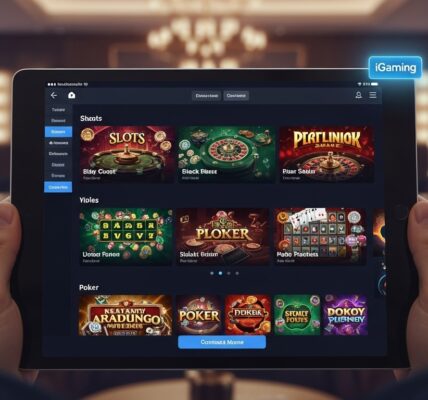
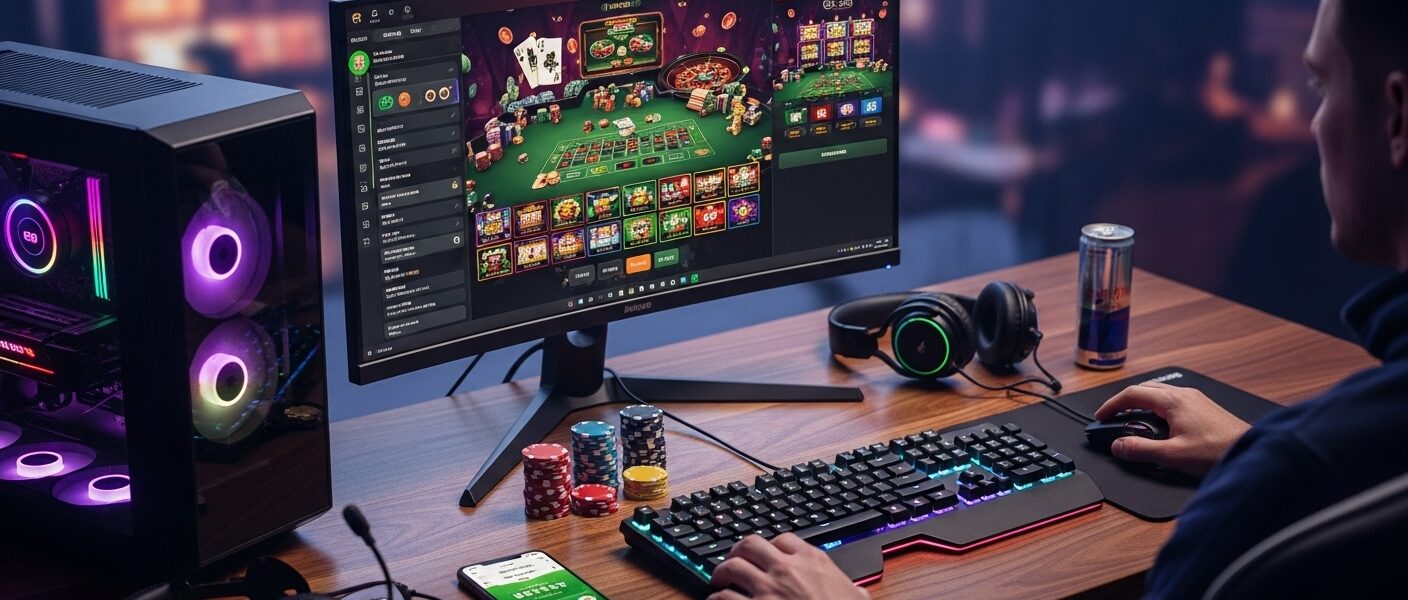

The world of entertainment has evolved dramatically over the last few decades, and one of the most significant transformations is the rise of iGaming. What was once a niche industry catering to a small audience has now become a global phenomenon. With technological advancements, increased internet accessibility, and a changing attitude towards online gambling, iGaming has carved its place in the digital world. This blog explores the growth, impact, and future of iGaming, highlighting its various facets and its influence on both the gaming and entertainment industries.
What is iGaming?
At its core, iGaming refers to any form of online gaming where real money is at stake. This encompasses a wide range of activities, from online casinos and sports betting to poker and virtual games. The term “iGaming” is often used interchangeably with online gambling, but it can also extend to eSports betting, fantasy sports, and even certain skill-based gaming competitions. Essentially, iGaming is the intersection of gaming and gambling in a digital environment.
The Boom of iGaming: A Global Phenomenon
The iGaming industry has seen a meteoric rise over the past decade, primarily driven by two key factors: technology and accessibility. The rapid expansion of the internet, coupled with mobile devices, has made it easier than ever for people to access online gaming platforms from virtually anywhere in the world.
Countries that have legalized and regulated online gambling have witnessed significant economic benefits, including job creation, tax revenue, and an influx of investment into the digital entertainment sector. This growth has led to the emergence of global players, with online casino operators and sportsbooks expanding into multiple international markets.
The Role of Technology in iGaming
Technology has played a central role in the evolution of iGaming, and its continuous advancements ensure that the industry will keep evolving. One of the most notable technological developments is the rise of mobile gaming. The development of smartphones and tablets has enabled players to engage in their favorite games on the go, without being tethered to a desktop computer.
In addition to mobile technology, the integration of virtual reality (VR) and augmented reality (AR) is making online casinos and gaming experiences more immersive. Players can now step into a virtual casino environment where they can interact with live dealers, play alongside other users in a 3D space, and experience a level of realism that was previously unthinkable.
Blockchain and cryptocurrency have also become crucial players in the iGaming industry. With the use of secure, transparent transactions and decentralized platforms, blockchain technology ensures that players can gamble with peace of mind, knowing their funds are safe and their results are fair.
Online Casinos: The Heart of iGaming
Online casinos are undoubtedly the centerpiece of the iGaming industry. These platforms offer a wide variety of games, including traditional table games like blackjack and roulette, as well as slot machines, video poker, and live dealer games. The convenience of being able to access a full casino experience from the comfort of your home has attracted millions of players worldwide.
One of the primary advantages of online casinos is the accessibility they offer. No longer do players need to travel to land-based casinos, often located in far-off destinations. Online casinos operate 24/7, allowing players to enjoy their favorite games at any time of day or night. Additionally, the variety of games available online far exceeds what most land-based casinos can offer, making it easier for players to find something they enjoy.
Sports Betting and eSports: A New Era of Competition
While online casinos are a major component of iGaming, sports betting and eSports have also become significant drivers of the industry’s growth. Sports betting, which involves placing wagers on the outcome of various sporting events, has become more accessible through online platforms. Whether it’s betting on football, basketball, or horse racing, fans can now place bets with ease, often receiving instant updates and odds.
eSports, or competitive video gaming, has taken the world by storm in recent years. What was once considered a hobby for a select group of enthusiasts is now a global competitive industry with millions of fans and lucrative sponsorships. With platforms like Twitch and YouTube, fans can watch live-streamed events, place bets on their favorite players or teams, and engage with the community.
The rise of eSports has had a profound impact on iGaming, as it has created an entirely new category of betting. Whether it’s wagering on the outcome of a tournament or betting on specific in-game events, eSports betting is becoming increasingly popular and attracting a new generation of gamblers.
The Regulatory Landscape of iGaming
As iGaming continues to grow, it has prompted governments around the world to reassess their stance on online gambling. While some countries have embraced online gaming and enacted regulations to ensure fairness and transparency, others have opted for stricter control or outright prohibition. This regulatory variance creates a fragmented global market, where operators must navigate a maze of legal frameworks to offer their services internationally.
In markets where online gambling is legalized and regulated, operators must adhere to strict rules designed to protect consumers, ensure fair play, and prevent money laundering and fraud. This has led to the establishment of licensing authorities, such as the United Kingdom Gambling Commission and the Malta Gaming Authority, which help maintain the integrity of the industry.
The Future of iGaming
Looking ahead, the future of iGaming appears bright. As technology continues to advance, we can expect even more immersive gaming experiences, with innovations like AI-powered gaming assistants, voice recognition, and personalized gameplay becoming more prevalent. Additionally, the growing acceptance of cryptocurrencies as a payment method may further revolutionize the way people interact with online gambling platforms.
The rise of social gaming and community-based platforms will also play a crucial role in the future of iGaming. With players looking for more interactive, social experiences, we can anticipate greater integration between online gaming platforms and social media, where players can share their achievements, engage in multiplayer games, and participate in live-streamed events.
Conclusion
The iGaming industry has come a long way since its humble beginnings, and it’s clear that its impact on the global entertainment landscape is undeniable. From online casinos and sports betting to the rise of eSports, iGaming has transformed the way people engage with gaming and gambling. As technology continues to advance and more countries embrace regulation, the future of iGaming looks incredibly promising, with new opportunities for both operators and players. Whether it’s the thrill of a big win or the excitement of a live sports bet, iGaming is here to stay, offering a dynamic, ever-evolving world of digital entertainment.