
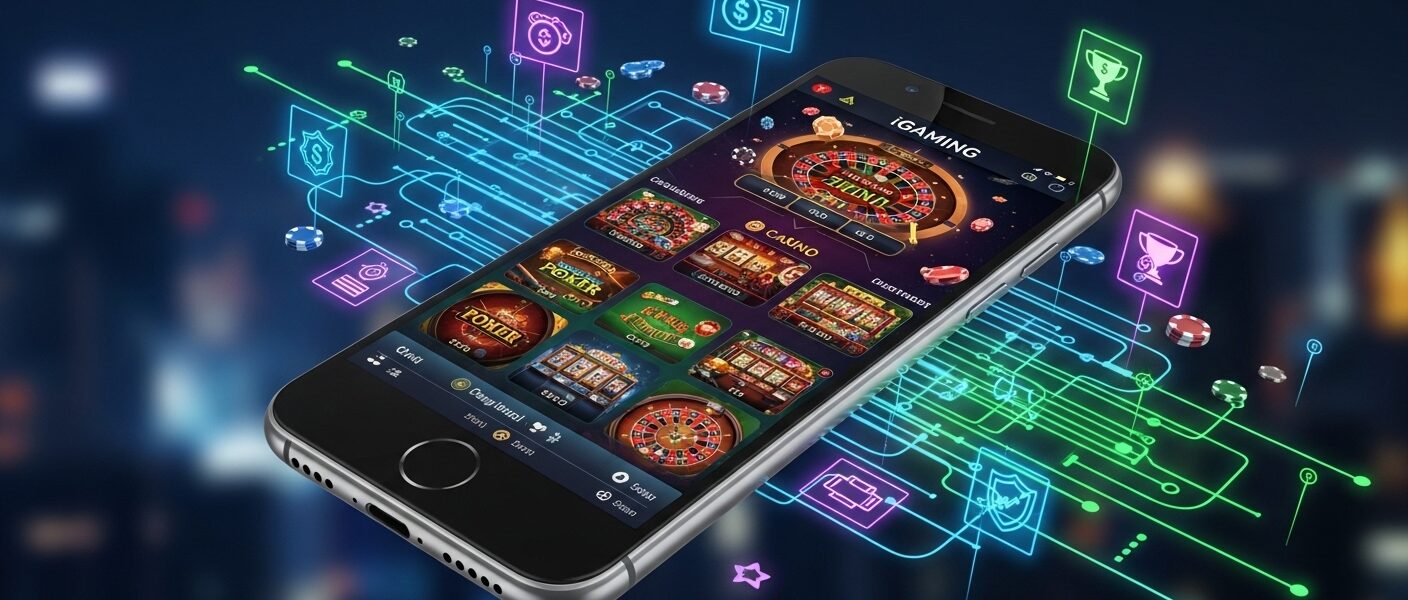

The world of online gaming has evolved significantly over the past few decades, with one particular segment gaining enormous traction: iGaming. Whether it’s sports betting, online casino games, or poker tournaments, iGaming has transformed the way people engage with games of chance and skill. This blog post explores the rise of iGaming, its impact on the global entertainment landscape, and what the future holds for this rapidly growing sector.
What is iGaming?
iGaming, short for “internet gaming,” refers to the broad spectrum of online gaming activities that involve real-money betting. This can encompass online casinos, sports betting, poker rooms, and virtual gaming platforms. The sector has seen tremendous growth due to advancements in technology, particularly the rise of high-speed internet, mobile devices, and secure payment systems. Today, iGaming is a multi-billion-dollar industry that spans the globe, offering users the ability to play casino games, bet on sports, and even participate in poker tournaments—all from the comfort of their own homes.
While some people might think of iGaming strictly as gambling, it’s important to note that many iGaming platforms offer a wide range of games that combine both skill and luck, often involving complex strategies and competitive elements. In this way, iGaming isn’t just a form of entertainment but also an evolving industry that is constantly adapting to new technologies and market demands.
A Brief History of iGaming
The roots of iGaming can be traced back to the mid-1990s, when the internet first began to be widely adopted. In 1994, the Caribbean island of Antigua and Barbuda passed the Free Trade and Processing Act, which allowed companies to apply for licenses to operate online gambling services. This was a game-changer for the industry, and it wasn’t long before the first online casinos and poker rooms emerged.
In 1996, InterCasino launched, becoming one of the first online casinos to offer real-money gambling. The following years saw rapid expansion, with the emergence of major players like PartyPoker, which introduced online poker to a broader audience. By the early 2000s, the iGaming industry was well on its way to becoming a multi-billion-dollar business.
The passing of the Unlawful Internet Gambling Enforcement Act (UIGEA) in 2006 in the United States briefly slowed the growth of iGaming, but global markets such as Europe, Asia, and Australia continued to flourish. Over time, many jurisdictions began regulating iGaming to ensure fair play, protect consumers, and generate tax revenue, further legitimizing the industry.
How iGaming Works
At its core, iGaming is about placing wagers on games of chance or skill, but the technology behind these platforms is what truly differentiates them from traditional forms of gambling. Here’s how iGaming platforms work in more detail:
1. Online Casino Games
Online casinos offer digital versions of traditional casino games such as blackjack, roulette, baccarat, and slot machines. Players can access these games via desktop computers or mobile devices and play with real money. Most online casinos feature live dealer games, where real human dealers interact with players in real-time via video streaming. This creates an experience that closely mimics the atmosphere of a land-based casino.
To ensure fairness, online casinos use Random Number Generators (RNGs) to determine the outcomes of games like slots and roulette. These algorithms ensure that the results are entirely random, providing a level of fairness for all players. Additionally, many casinos undergo audits by independent third-party organizations to verify the integrity of their RNG systems.
2. Sports Betting
Sports betting is another major segment of iGaming. Sportsbooks allow users to place bets on a variety of sports, including football, basketball, soccer, tennis, and even eSports. These platforms provide odds on various outcomes, such as which team will win a match or what the final score will be.
Modern sports betting platforms offer both pre-match and in-play betting, allowing users to place bets before a match begins or even while it’s ongoing. In-play betting has become particularly popular, as it allows bettors to react to the dynamics of the game as it unfolds. Technologies like live streaming, in-play stats, and real-time odds updates have made the sports betting experience more immersive and exciting.
3. Online Poker
Poker has long been one of the most popular card games in the world, and the advent of online poker rooms revolutionized the game. Platforms like PokerStars, 888Poker, and PartyPoker allowed players to compete against each other in virtual poker rooms, often with real-money stakes.
Online poker offers a variety of formats, including Texas Hold’em, Omaha, and Seven-Card Stud. Many platforms host large-scale tournaments with massive prize pools, such as the World Series of Poker (WSOP). These tournaments can attract thousands of players from all over the world, who compete for the chance to win life-changing amounts of money.
Why iGaming is So Popular
The success of iGaming can be attributed to several factors, each of which plays a crucial role in attracting players from around the world.
1. Convenience and Accessibility
Perhaps the most significant advantage of iGaming is its convenience. Players can access their favorite casino games, poker tables, or sports betting platforms 24/7, from virtually anywhere in the world. All that’s required is an internet connection and a compatible device. This level of accessibility has drawn millions of people to the world of online gaming, offering a level of flexibility that traditional land-based casinos and sportsbooks cannot match.
With the rise of mobile technology, many players now engage with iGaming platforms on their smartphones or tablets, allowing them to gamble on-the-go. Mobile apps for iGaming platforms have become incredibly sophisticated, offering users a seamless and intuitive gaming experience.
2. Variety of Games
Another key factor driving the growth of iGaming is the sheer variety of games available. Whether a player is interested in the fast-paced action of slots, the strategic depth of poker, or the thrill of betting on live sports events, there’s something for everyone. The constant innovation in the gaming industry ensures that new and exciting titles are regularly released, keeping players engaged and entertained.
3. Bonuses and Promotions
iGaming platforms often offer attractive bonuses and promotions to entice new players and retain existing ones. These bonuses can include welcome offers, free spins, deposit matches, and loyalty programs. Such promotions give players the chance to increase their chances of winning or extend their gaming sessions, further driving the appeal of online gambling.
4. Global Reach
iGaming platforms are not restricted by geographic boundaries in the same way that land-based casinos are. Players from different parts of the world can compete against each other, bet on international sports events, or join global poker tournaments. This global reach adds an element of diversity and excitement, as players are exposed to a wide range of playing styles and strategies.
Regulatory Landscape of iGaming
While iGaming has become a massive global industry, it has also attracted significant regulatory attention. Governments and regulatory bodies around the world have implemented rules and regulations to ensure the fairness and safety of online gambling. These regulations vary significantly between jurisdictions.
For example, countries like the United Kingdom, Malta, and Gibraltar have established comprehensive licensing systems to regulate iGaming, ensuring that operators adhere to strict standards of fairness, transparency, and consumer protection. In contrast, other countries have chosen to ban or restrict online gambling, citing concerns over addiction and illegal activities.
The ongoing evolution of iGaming regulation is a key area of focus for both operators and players. As the industry continues to grow, it’s likely that more countries will implement laws to regulate online gambling, ensuring that players are protected and that operators maintain high standards.
The Future of iGaming
The future of iGaming looks incredibly promising. As technology continues to advance, we can expect even more innovations that will enhance the online gaming experience. Here are a few trends that are likely to shape the future of iGaming:
1. Integration of Virtual Reality (VR) and Augmented Reality (AR)
Virtual reality (VR) and augmented reality (AR) have the potential to revolutionize the iGaming industry. Imagine stepping into a virtual casino where you can interact with other players, play poker at a virtual table, or walk around a 3D casino environment. VR could offer a truly immersive experience that replicates the excitement of land-based casinos.
Similarly, AR could bring new layers of interactivity to sports betting or casino games, allowing players to engage with their environment in exciting new ways.
2. Cryptocurrency and Blockchain Technology
Cryptocurrencies like Bitcoin and Ethereum have already started to make an impact on iGaming, with some platforms allowing players to deposit, wager, and withdraw using digital currencies. Blockchain technology, which underpins cryptocurrencies, could also be used to ensure fairness, transparency, and security in iGaming transactions, offering players additional peace of mind.
3. Increased Mobile Gaming
With mobile devices becoming more powerful and ubiquitous, it’s likely that mobile gaming will continue to be a dominant force in iGaming. Players can expect more advanced mobile apps with improved graphics, faster load times, and enhanced features, making the gaming experience even more enjoyable on the go.
4. Expansion into New Markets
As iGaming continues to grow, more and more regions are legalizing and regulating online gambling. The expansion of iGaming into new markets such as Asia and the United States presents huge opportunities for operators and players alike. As more countries embrace online gaming, the industry will continue to reach new audiences and generate new revenue streams.
Conclusion
iGaming has transformed the way people think about gaming and gambling, offering a diverse and exciting range of entertainment options. From online casinos and poker rooms to sports betting and eSports, iGaming has something for everyone. As technology continues to evolve and markets expand, the future of iGaming