
Introduction
The world of entertainment has witnessed countless revolutions over the decades, but few have been as impactful as the rise of iGaming. Short for “interactive gaming,” iGaming represents the digital evolution of traditional gaming and gambling combined. It merges technology, entertainment, and innovation to create experiences that are accessible, immersive, and global. From online casinos and sports betting to virtual poker rooms and digital lotteries, iGaming has become a powerhouse industry that is reshaping how people play, interact, and engage with chance-based entertainment. In this blog, we will explore how iGaming emerged, what drives its rapid growth, its technological foundations, and its social and economic implications in today’s digital age.
The Origins of iGaming: From Casinos to Cyberspace
The story of iGaming begins with the global fascination with games of chance. For centuries, people gathered in physical casinos, racetracks, and betting houses to test their luck and skill. However, as the internet began to connect people across the world in the late 20th century, the concept of gaming began to evolve.
The first online casinos emerged in the mid-1990s, offering simple digital versions of roulette, blackjack, and slot machines. These platforms were basic, with limited graphics and simple mechanics, yet they captured the imagination of millions. For the first time, people could experience the thrill of gambling without leaving their homes.
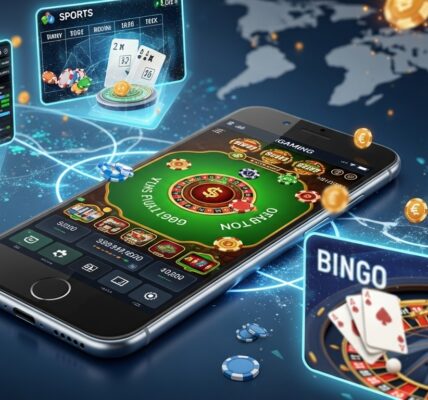
As technology progressed, so did the sophistication of iGaming platforms. The integration of advanced graphics, live dealer experiences, and mobile compatibility turned online gaming into a dynamic form of digital entertainment. What once required a trip to a physical venue could now be accessed instantly through a smartphone or computer.
The Technology Powering iGaming
The backbone of iGaming’s success lies in technological innovation. Several key developments have allowed the industry to grow from a niche curiosity to a global phenomenon.
Modern iGaming platforms are powered by complex algorithms known as Random Number Generators, which ensure fairness and unpredictability in every outcome. This technology builds trust between players and operators, guaranteeing that digital games replicate the randomness of real-world gambling.
Moreover, advancements in graphics and user interface design have made iGaming more visually appealing and immersive. High-definition visuals, smooth animations, and realistic sound effects replicate the atmosphere of a physical casino, making the experience both exciting and authentic.
Cloud computing has also revolutionized the iGaming industry by allowing players to access games anytime, anywhere, without the need for heavy downloads. Mobile compatibility has opened the doors for millions of new players, transforming smartphones into personal casinos.
Emerging technologies such as Artificial Intelligence and Virtual Reality are now shaping the future of iGaming. AI enhances user experiences by personalizing recommendations and detecting unusual patterns to ensure responsible gaming. Meanwhile, Virtual Reality and Augmented Reality introduce a new level of immersion, allowing players to step inside virtual casinos and interact with others in real time.
The Rise of Online Casinos and Betting Platforms
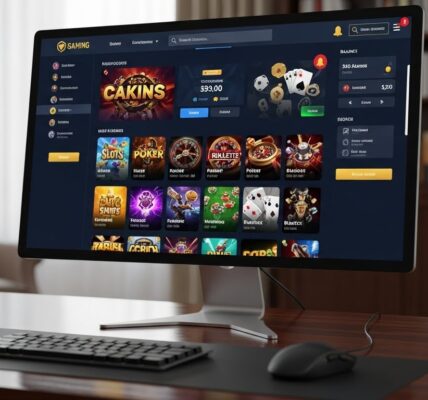
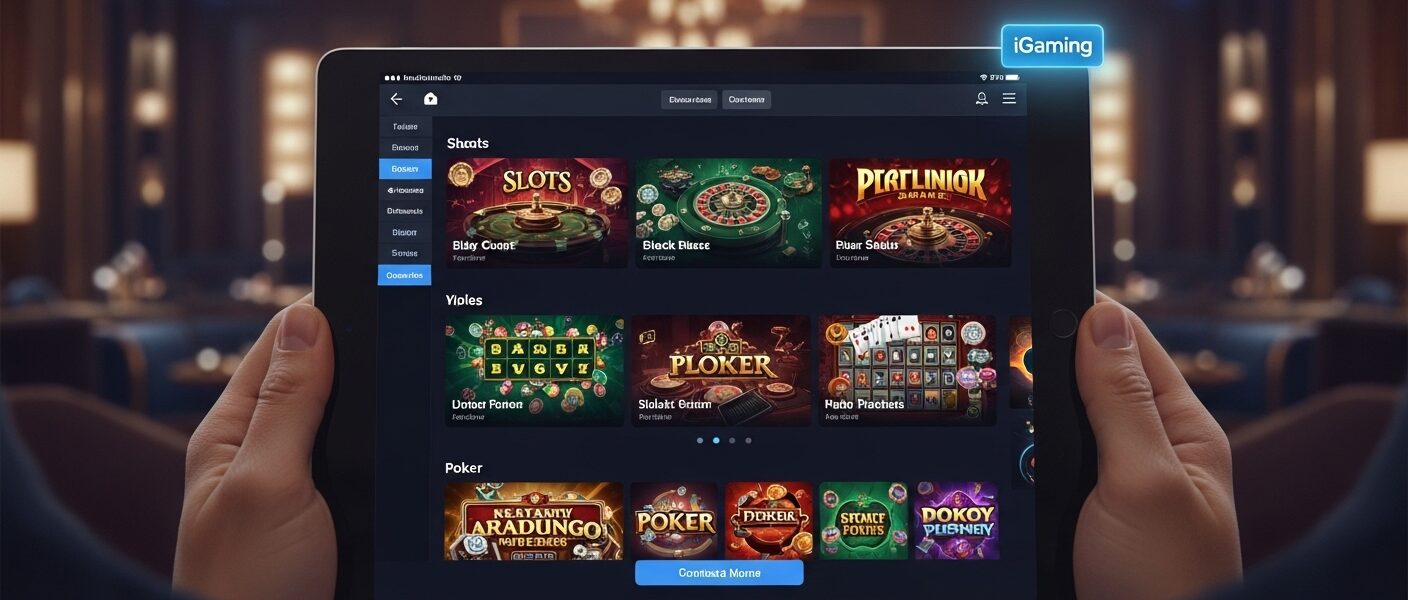
Online casinos are the heart of the iGaming industry. They offer a wide array of games that cater to every kind of player—from those seeking fast-paced slot machines to strategic games like poker and blackjack. What makes online casinos particularly appealing is their accessibility. Players no longer need to travel or dress up; they can enjoy the same excitement from the comfort of their homes.
Sports betting is another vital segment of iGaming. It has gained massive popularity worldwide, attracting both casual and professional bettors. With real-time data analytics and live match tracking, players can place wagers on ongoing events, creating a dynamic experience that merges sports fandom with strategic decision-making.
The combination of casino gaming and sports betting has made iGaming a versatile form of entertainment that appeals to diverse audiences. Whether it’s the thrill of predicting a match outcome or the suspense of spinning a digital roulette wheel, iGaming satisfies a universal human craving for challenge and reward.
The Psychology of iGaming: The Thrill of the Digital Gamble
At the heart of iGaming lies the psychology of risk and reward. Humans are naturally drawn to uncertainty—the excitement of not knowing the outcome. The anticipation of a win triggers dopamine release in the brain, creating a rush of pleasure and motivation to play again.
This psychological mechanism is the same that drives traditional gaming and gambling. However, in the digital realm, the accessibility and design of iGaming amplify this effect. Reward systems, achievements, and interactive designs are carefully crafted to engage players emotionally and mentally.
The social aspect of iGaming also plays a major role. Multiplayer poker rooms, live dealer games, and community-based tournaments foster interaction and competition. These elements transform solitary gaming into a shared experience, fulfilling the social dimension that physical casinos once dominated.
Regulation and Responsible Gaming
As iGaming continues to expand, regulation and responsible gaming practices have become crucial. Governments and gaming authorities worldwide have established frameworks to ensure fair play, protect users, and promote transparency. Licensing requirements, anti-fraud systems, and data protection policies safeguard players’ interests and maintain trust in the industry.
Responsible gaming initiatives also focus on preventing addiction and promoting awareness. Modern iGaming platforms often include tools that allow users to set limits on spending or playing time, ensuring that entertainment remains safe and controlled. The integration of Artificial Intelligence has further enhanced these measures by detecting signs of compulsive behavior and recommending intervention when necessary.
The Global Economic Impact of iGaming
The iGaming industry has evolved into one of the most lucrative sectors in the digital economy. Generating billions in annual revenue, it supports a wide network of professionals, including developers, designers, marketers, analysts, and customer service teams.
Countries that have legalized and regulated iGaming benefit from substantial tax revenue, which can be reinvested into public projects and economic growth. The industry also fosters technological innovation, as developers continually push boundaries to improve gaming experiences.
In emerging markets, iGaming has created opportunities for entrepreneurship and digital business. Independent developers and startups are finding success by creating niche gaming experiences, from localized casino games to culturally themed betting platforms.
The Role of Mobile Gaming in iGaming’s Expansion
The rise of mobile technology has been a game changer for iGaming. Smartphones have made it possible for users to access games instantly, transforming moments of downtime into entertainment opportunities. Mobile-first design ensures that games are optimized for smaller screens without sacrificing quality or performance.
The convenience of mobile gaming has attracted a broader demographic of players. Older generations who were once hesitant to try online casinos now engage easily through user-friendly apps. Younger audiences, raised in a digital environment, see iGaming as a natural extension of online entertainment.
This shift to mobile has also encouraged innovation in payment methods. Digital wallets, prepaid cards, and secure transaction systems have made deposits and withdrawals faster and safer than ever before. This seamless integration of technology, finance, and entertainment has established mobile iGaming as the dominant force in the market.
The Cultural and Social Impact of iGaming
iGaming is not just about chance; it’s about culture and connection. In many regions, it has created new forms of entertainment that bring people together. Online poker tournaments, live dealer experiences, and interactive gaming shows create digital communities that thrive on shared excitement.
In some countries, iGaming has also contributed to cultural shifts in how people perceive gaming and gambling. What was once seen as exclusive to casinos is now viewed as a legitimate form of digital recreation when done responsibly.
Moreover, the entertainment value of iGaming extends beyond money. Many players enjoy it for its social aspects, challenges, and the thrill of competition. It offers an escape, a mental exercise, and a sense of achievement that appeals to the human desire for engagement and reward.
The Future of iGaming: Innovation and Integration
The future of iGaming is set to be defined by innovation, personalization, and integration with emerging technologies. Artificial Intelligence will continue to revolutionize user experience by tailoring games to individual preferences. Data analytics will refine betting odds and enhance fairness, while blockchain technology could redefine transparency by recording transactions on immutable digital ledgers.
Virtual Reality and Augmented Reality are likely to take center stage in the next phase of iGaming. Imagine stepping into a fully immersive casino, interacting with real dealers and players from around the world in a lifelike 3D environment. These advancements will transform gaming into a multi-sensory experience that blurs the line between the physical and digital worlds.
Cross-platform compatibility will further unify gaming experiences, allowing players to switch seamlessly between devices without losing progress. This interconnected ecosystem represents the next step in digital entertainment — one that values accessibility, immersion, and engagement above all else.
Conclusion
The rise of iGaming marks one of the most remarkable transformations in the entertainment industry. What began as simple digital gambling has evolved into a global phenomenon that blends technology, psychology, and culture. iGaming is not just about chance; it is about experience, innovation, and connection.
As the world continues to embrace digital transformation, iGaming stands at the intersection of technology and human emotion. It offers excitement, opportunity, and community to millions across the globe. The future promises even greater integration, transparency, and creativity, making iGaming a driving force in the evolution of modern entertainment.