
The world of entertainment has evolved at a rapid pace in the last few decades, and one of the most significant revolutions has been the rise of iGaming. Short for “Internet Gaming,” iGaming refers to gambling activities that take place over the internet. This broad term encompasses everything from online casinos and sports betting to virtual poker and esports betting. With the rapid advancement of technology, iGaming has transformed from a niche pastime into a global industry worth billions of dollars.
In this blog post, we will explore the evolution of iGaming, the current trends shaping the industry, its impact on the global economy, and where it’s headed in the future. Whether you’re a seasoned gambler, a casual player, or just someone interested in the world of online entertainment, there’s much to learn about this dynamic and ever-growing sector.
The Early Days of Online Gambling
The Birth of Online Casinos
The roots of iGaming can be traced back to the mid-1990s, when the internet began to gain widespread popularity. As more people gained access to the World Wide Web, businesses quickly realized the potential for online entertainment, including gambling. In 1994, the government of Antigua and Barbuda passed the Free Trade & Processing Act, which allowed online casinos to be licensed and operate legally. This marked the beginning of the iGaming industry.
In 1996, one of the first online casinos, InterCasino, went live. Although it was rudimentary by today’s standards, it paved the way for the online gambling industry. The internet provided a new and exciting platform for gamblers to place bets, play table games, and experience the thrill of winning from the comfort of their homes. This innovation quickly gained traction, with other casinos following suit.
The Emergence of Sports Betting and Poker Rooms
As the popularity of online gambling grew, so did the variety of options available. Sports betting, which had traditionally been limited to physical bookmakers and casinos, began to make its way online. By the late 1990s, major sports betting websites such as Bet365 and Pinnacle Sports began offering odds and allowing players to place bets on sports events from anywhere in the world.
At the same time, online poker also started gaining momentum. In 1998, the first online poker room, Planet Poker, was launched. However, it wasn’t until 2003, when Chris Moneymaker won the World Series of Poker (WSOP) after qualifying through an online poker tournament, that the industry truly exploded. The event brought poker to the mainstream, leading to a surge in online poker traffic and the rise of major poker platforms such as PokerStars and PartyPoker.
The Evolution of Technology in iGaming
Mobile Gaming
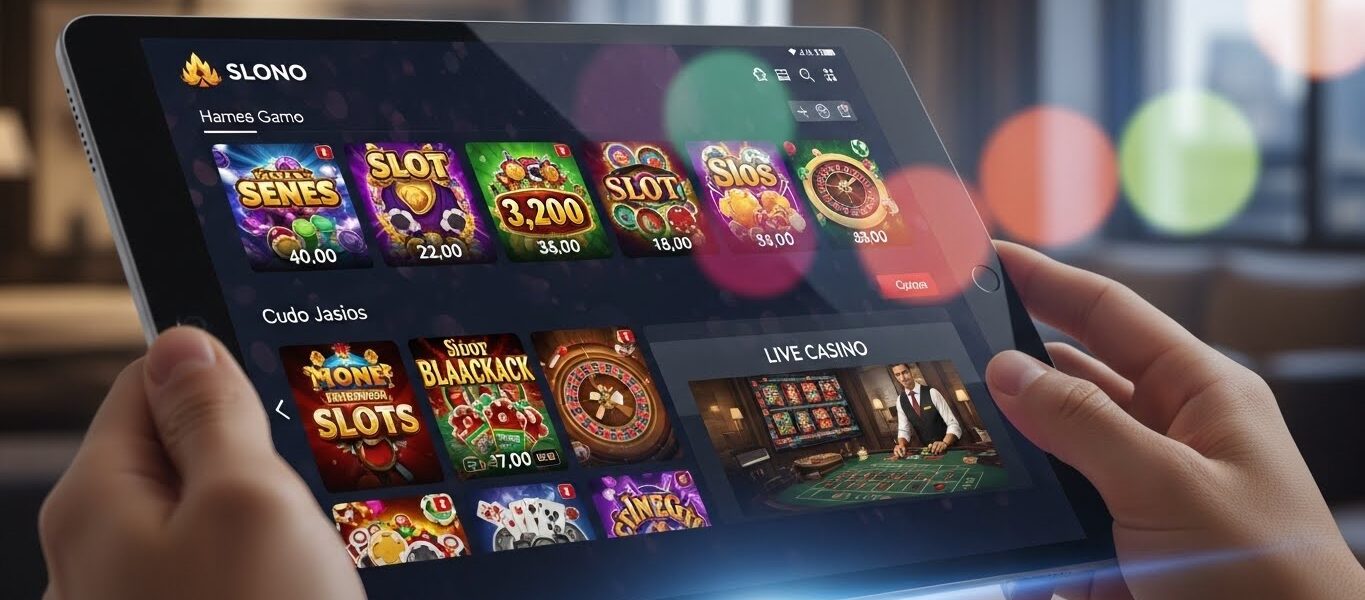
As technology advanced, so did the iGaming experience. One of the most significant developments in the industry has been the rise of mobile gaming. In the early 2000s, online gambling was primarily limited to desktop computers, but the proliferation of smartphones and tablets has transformed the way people engage with iGaming platforms. Today, most iGaming platforms have mobile-optimized websites or apps, allowing players to enjoy their favorite casino games or place sports bets anytime and anywhere.
Mobile gaming has become so integral to iGaming that many operators now prioritize mobile-first platforms. The advent of 5G technology promises to further enhance the mobile gaming experience by providing faster speeds and lower latency, which will allow for smoother gameplay and more immersive experiences.
Live Dealer Games
Another game-changing technological advancement in iGaming is the introduction of live dealer games. These are real-time casino games that are streamed from studios or land-based casinos, where professional dealers interact with players via video feeds. Live dealer games include classics such as blackjack, roulette, and baccarat, and they provide an authentic casino experience without players having to leave their homes.
Live dealer technology combines the convenience of online gaming with the social aspect of traditional brick-and-mortar casinos. Players can interact with dealers and fellow players in real time, making the experience more engaging and immersive. The popularity of live dealer games has surged in recent years, and they are now a staple of most major online casinos.
Virtual Reality and Augmented Reality
Looking to the future, virtual reality (VR) and augmented reality (AR) hold significant promise for the iGaming industry. Both technologies have the potential to revolutionize how players interact with online casino games and gambling platforms.
With VR, players can enter fully immersive, 3D environments where they can interact with games and other players in a virtual space. Imagine being able to walk into a virtual casino, sit at a blackjack table, and converse with the dealer and other players just as you would in a real-life casino.
AR, on the other hand, can enhance the gambling experience by overlaying virtual elements onto the real world. For example, players could use AR to see game statistics or odds superimposed on the environment around them, creating an enriched, interactive gaming experience.
The Current State of iGaming
Online Casino Games
Today, online casinos are a dominant force in the iGaming industry. Online casinos offer a wide variety of games, including slots, table games, video poker, and specialty games like bingo and scratch cards. Slots, in particular, are the most popular games in online casinos, with developers creating hundreds of unique themes, features, and jackpots to attract players.
The rise of progressive jackpots has also contributed to the growth of online casinos. Progressive jackpot slots allow players to win life-changing sums of money, as the jackpot grows every time a bet is placed but remains unclaimed. Some of the largest online casino jackpots have reached tens of millions of dollars, making them a major draw for players looking to strike it rich.
Sports Betting and Esports
Sports betting has always been a central component of the iGaming landscape, and it continues to evolve with the times. Traditional sports such as football, basketball, and horse racing remain popular, but the emergence of new sports, especially esports, has further expanded the market.
Esports, or competitive video gaming, has exploded in popularity over the last decade. Millions of fans around the world now watch esports tournaments, and many of them place bets on the outcomes of these events. Esports betting platforms have sprung up to cater to this growing market, offering odds on games like League of Legends, Dota 2, and Counter-Strike: Global Offensive.
Regulatory Landscape
As iGaming continues to grow, governments around the world are grappling with how to regulate the industry. In some regions, online gambling has been fully legalized and regulated, while in others, it remains banned or only partially permitted.
Countries like the United Kingdom, Malta, and Gibraltar have established comprehensive regulatory frameworks that ensure player protection, fair play, and responsible gambling. These regulations also ensure that operators are licensed and that they adhere to strict standards regarding security and data protection.
On the other hand, many countries still lack clear regulations for online gambling, leading to a patchwork of legal frameworks. In some jurisdictions, players may find themselves gambling on unregulated platforms, which can pose significant risks, such as fraud or unfair practices.
The Future of iGaming
Artificial Intelligence and Personalization
One of the key trends that will shape the future of iGaming is the use of artificial intelligence (AI) to enhance the player experience. AI can be used in a variety of ways, from personalizing game recommendations based on player preferences to improving customer service with chatbots and virtual assistants.
AI-powered algorithms can also be employed to detect problem gambling behavior and help operators take steps to promote responsible gambling. By analyzing player data, AI can identify patterns of excessive play or problematic betting habits, enabling operators to intervene and provide support to players in need.
Blockchain and Cryptocurrencies
Blockchain technology and cryptocurrencies like Bitcoin and Ethereum are also set to play a significant role in the future of iGaming. Blockchain provides a decentralized, transparent ledger system that can enhance the security and fairness of online gambling transactions.
Cryptocurrencies, on the other hand, offer fast, anonymous, and low-fee transactions, which are highly appealing to online gamblers. Many iGaming platforms have already started accepting cryptocurrencies as a form of payment, and this trend is likely to continue as more players embrace digital currencies.
Enhanced Gamification
Gamification, the integration of game-like elements into non-game contexts, is another growing trend in the iGaming world. Many online casinos and betting platforms are incorporating features such as leaderboards, achievements, and loyalty programs to engage players and encourage continued play.
By incorporating gamification into their platforms, iGaming operators can create a more interactive and rewarding experience for players, which can lead to increased customer retention and satisfaction.
Conclusion
The world of iGaming has come a long way since its humble beginnings in the mid-1990s. Thanks to advancements in technology, including mobile gaming, live dealer games, and the potential of VR and AR, the industry continues to evolve at a rapid pace. As new trends such as AI, blockchain, and gamification emerge, the future of online gambling looks brighter than ever.
While the iGaming industry presents numerous opportunities for growth and innovation, it also brings challenges, particularly in terms of regulation and responsible gambling. As the industry continues to expand, it will be essential for regulators, operators, and players alike to ensure that the integrity of the games and the safety of participants remain top priorities.
Whether you’re an avid gambler or simply curious about the future of entertainment, the iGaming industry is one to watch, as it continues to redefine the way we play, bet, and experience games in the digital age.