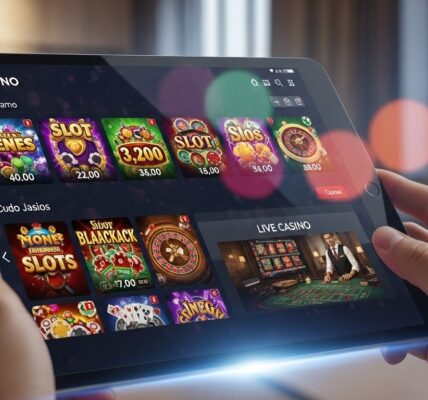


The world of entertainment is evolving at an unprecedented rate, and one of the most significant developments in recent years is the rise of iGaming. Short for “interactive gaming,” iGaming refers to the online gaming industry, where individuals can play games of chance, skill, or a combination of both, typically for real money. With the rapid growth of the internet and mobile technologies, iGaming has grown from a niche activity into a massive global industry. But what exactly is iGaming, and why has it become such a prominent part of the online entertainment landscape? In this blog post, we will explore the phenomenon of iGaming, its impact on the entertainment industry, and the key trends that are shaping its future.
What is iGaming?
iGaming encompasses a wide variety of online games that allow players to gamble and engage in interactive experiences over the internet. These games include traditional casino games like poker, blackjack, and roulette, as well as sports betting, lotteries, and even online skill-based games like eSports.
At its core, iGaming is about enabling people to engage in interactive gambling experiences from the comfort of their homes or on the go. This could be through desktop computers, smartphones, or even smart TVs. Whether you’re placing a bet on a football game, spinning the reels on a slot machine, or competing in an online poker tournament, iGaming allows for a range of gambling activities without the need to visit a physical casino or sportsbook.
Over the past decade, the iGaming industry has exploded, driven by the increasing popularity of online gambling and the convenience of mobile devices. In many parts of the world, iGaming has not only become a popular pastime but has also contributed significantly to the local and global economies. The industry generates billions of dollars in revenue each year, and the increasing number of online platforms and apps continues to fuel its growth.
The Evolution of iGaming
The iGaming industry has come a long way since its inception. The early days of online gaming were relatively rudimentary, with a limited selection of games and basic graphics. As internet speeds improved and technology advanced, so too did the quality of online gaming. The first online casino appeared in the 1990s, and over the years, the industry has continued to grow at an exponential rate.
A major milestone in the evolution of iGaming was the introduction of live dealer games. These games bring a real-life casino experience to players by streaming live video of a dealer managing the game, such as roulette or blackjack, while players place their bets in real-time. This innovation helped bridge the gap between online and land-based casinos, providing a more immersive and authentic experience for players.
In addition to the growth of traditional online casino games, iGaming has expanded into new areas, such as sports betting, esports, and even fantasy sports. Sports betting has been one of the fastest-growing segments of the iGaming industry, thanks in part to the increased accessibility of sports betting platforms and the widespread legalization of sports wagering in various countries. eSports, or competitive video gaming, has also emerged as a dominant force within the iGaming world, with millions of players and fans engaging in gaming tournaments and betting on the outcomes of popular games like League of Legends and Dota 2.
The shift toward mobile gaming has also been a defining trend in the growth of iGaming. With the proliferation of smartphones and tablets, players can now access their favorite games anytime, anywhere. Mobile apps and responsive websites have made it easier for players to engage in iGaming activities while on the go, further expanding the reach and accessibility of online gambling.
Why iGaming is Booming
There are several factors driving the booming popularity of iGaming, and these factors are likely to continue shaping the industry in the years to come.
1. Accessibility and Convenience
One of the most compelling reasons for the growth of iGaming is its accessibility. In the past, individuals who wanted to gamble had to visit a physical casino, sportsbook, or lottery retailer. This required time, money, and effort. Today, however, players can access a wide variety of gambling experiences with just a few clicks on their computer or smartphone.
Whether it’s playing a slot game, betting on a sporting event, or participating in a live poker tournament, iGaming allows players to engage in these activities from the comfort of their homes or while traveling. The convenience of having so many options available at their fingertips is a key factor in attracting and retaining players.
2. The Appeal of Mobile Gaming
The rise of mobile gaming has also been a key driver of the iGaming industry’s growth. The global penetration of smartphones has made it easier for people to access gaming platforms and place bets from anywhere. Whether waiting for a train, sitting on the couch at home, or even during a lunch break at work, players can engage with their favorite gambling games at any time.
The availability of mobile gaming apps also means that players can enjoy a more seamless, user-friendly experience, with optimized interfaces and tailored features for smaller screens. As mobile technology continues to improve, it’s likely that mobile gaming will only become more popular, opening the door for even more immersive and dynamic gaming experiences.
3. Globalization and Legalization
In recent years, more countries have begun to legalize and regulate iGaming, opening the door for new markets and driving revenue for the industry. This trend is especially apparent in sports betting, where the relaxation of laws in countries like the United States has created new opportunities for iGaming companies to expand their reach.
As countries realize the potential tax revenue generated from iGaming, governments are increasingly turning to gambling as a source of income. This shift in policy has led to the creation of more regulated and secure environments for online gambling, which, in turn, has helped build trust among players and reduce the stigma traditionally associated with online gambling.
4. Innovative Technology and Gamification
The continuous advancement of technology has also played a crucial role in the success of iGaming. Virtual reality (VR) and augmented reality (AR) are starting to make their way into the iGaming world, offering players an even more immersive experience. By incorporating VR and AR, iGaming platforms can offer highly realistic casino environments, where players can interact with other players and dealers in virtual spaces.
Gamification is another important trend in iGaming. Many platforms are incorporating game-like elements, such as points, badges, and leaderboards, into their offerings to enhance player engagement and satisfaction. This approach not only makes gambling more fun but also encourages players to keep coming back, increasing customer loyalty and boosting revenue for operators.
Key iGaming Trends to Watch
As the iGaming industry continues to evolve, several emerging trends are likely to shape its future.
1. Growth of Esports Betting
Esports is quickly becoming one of the most popular segments of the iGaming market. Competitive video gaming has grown into a multi-billion-dollar industry, with players, teams, and tournaments attracting millions of viewers worldwide. The increasing popularity of esports has led to the rise of esports betting, where players can wager on the outcomes of esports tournaments.
As esports continue to gain mainstream acceptance, we can expect to see more betting platforms integrate esports into their offerings. This trend is particularly important among younger audiences, who are more likely to engage with video games and esports in general.
2. Cryptocurrencies in iGaming
Cryptocurrencies like Bitcoin and Ethereum are already being used as payment methods in some iGaming platforms, and their use is expected to grow. Cryptocurrencies offer several advantages, including anonymity, low transaction fees, and faster payouts. These features make them particularly attractive to iGaming operators and players alike.
In the future, cryptocurrencies may become the standard method for depositing and withdrawing funds on online gambling sites, especially as blockchain technology becomes more integrated into the iGaming ecosystem.
3. Increased Focus on Responsible Gambling
As the iGaming industry continues to grow, so does the responsibility of operators to ensure that gambling remains a safe and enjoyable activity. Responsible gambling measures, such as self-exclusion tools, deposit limits, and age verification, are becoming more prevalent on online gambling sites.
In addition, operators are investing in artificial intelligence (AI) and machine learning technologies to identify problem gambling behavior and provide real-time assistance to at-risk players. The focus on responsible gambling will help foster a sustainable and ethical industry for the future.
Conclusion: The Future of iGaming
The iGaming industry is rapidly evolving, and its impact on the entertainment and gambling landscape is undeniable. From its humble beginnings in the 1990s to the global phenomenon it is today, iGaming has become a multi-billion-dollar industry that continues to grow and innovate.
The rise of mobile technology, the increasing accessibility of online gambling, and the legalization of gambling in more jurisdictions are just a few of the factors driving this growth. As technology continues to evolve, we can expect new trends like esports betting, cryptocurrency integration, and immersive VR/AR experiences to shape the future of the iGaming world.
However, with this growth comes the responsibility to ensure that iGaming remains a safe, ethical, and regulated space for all players. By focusing on innovation, regulation, and responsible gambling practices, the iGaming industry has the potential to thrive and provide entertainment to millions of people for years to come.