
The Thriving World of iGaming: Revolutionizing the Future of Online Entertainment

The iGaming industry has evolved at a remarkable pace, becoming a multi-billion-dollar sector that continues to captivate millions of users worldwide. What began as a niche interest for a few savvy gamers and online casino enthusiasts has now expanded into one of the most lucrative and diverse forms of entertainment. As digital technology continues to improve, the world of iGaming has rapidly transformed, offering an increasing array of platforms and experiences that are pushing the boundaries of what online entertainment can be.
In this blog post, we’ll dive deep into the rise of iGaming, explore its various forms, the technology behind it, and how it’s shaping the future of entertainment. We’ll also take a look at the legal landscape and the role of innovation in enhancing the gaming experience.
Understanding iGaming: What Is It?
iGaming refers to the broad spectrum of online gambling activities, which includes online casinos, sports betting, poker, and even virtual eSports competitions. Unlike traditional brick-and-mortar casinos, iGaming takes place on the internet, allowing players to engage in gambling activities from the comfort of their homes or on the go through mobile apps.
The Core Components of iGaming
The main segments of iGaming include:
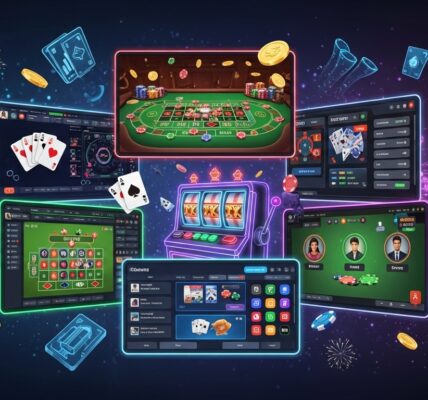
- Online Casinos – Players can access classic casino games like blackjack, roulette, slots, and baccarat. These games can be played in real-time with live dealers or in automated modes powered by random number generators (RNGs).
- Sports Betting – With advancements in technology, sports betting has become a major part of iGaming. This includes betting on real-world events like football, basketball, horse racing, and even eSports.
- Poker – Online poker rooms host games such as Texas Hold’em, Omaha, and other popular variants. Players can engage in competitive play against others or participate in tournaments.
- Virtual Games – Some operators offer entirely virtual sports or simulated games that mimic the experience of traditional gambling.
- eSports Betting – With the explosion of competitive video gaming, iGaming platforms now allow players to bet on eSports tournaments, which include games like League of Legends, Dota 2, and Counter-Strike: Global Offensive.
The Rise of iGaming: A Digital Revolution
The iGaming industry has experienced rapid growth in the past two decades, spurred on by advances in internet accessibility, mobile technology, and software development. In the early 2000s, the first online casinos were launched, marking the beginning of what would become a global revolution in entertainment.
Increased Internet Access and Technology
As broadband internet spread around the world, more people gained access to faster and more reliable connections, making it possible to play high-quality games without lag or interruptions. In addition, mobile technology began to play a key role. With smartphones and tablets now ubiquitous, players could enjoy their favorite games at any time, from anywhere.
The development of advanced gaming software made it possible for operators to offer more sophisticated and immersive experiences. Today’s iGaming platforms are powered by state-of-the-art graphics, secure payment systems, and cutting-edge encryption technology, making online gambling safer and more accessible than ever before.
Legalization and Regulation
In many regions, the legalization of online gambling has played a significant role in the industry’s growth. While online gambling has been legal in places like the United Kingdom and some parts of Europe for many years, other countries are slowly beginning to recognize the economic potential of the sector.
Countries like the United States, Canada, and several Asian nations have seen a gradual shift toward regulatory frameworks that provide safe, regulated environments for both players and operators. The regulation ensures that operators maintain fairness and transparency, with player protection measures like responsible gambling protocols and secure financial transactions.
Technology Driving the Future of iGaming
The iGaming sector is defined by continuous technological innovation. The advancements in gaming technology are not only enhancing the user experience but are also opening up new possibilities for what can be done in the digital gambling space.
Mobile Gaming: Playing Anytime, Anywhere
The introduction of mobile applications has changed the way people engage with online gaming. Players no longer need to sit in front of a computer screen; they can gamble on their phones or tablets from virtually anywhere. Mobile optimization is now a major priority for gaming platforms, with mobile-first websites and apps offering an equally seamless experience to their desktop counterparts.
With mobile apps, players can access live dealers, spin slots, place sports bets, and play poker all from the palm of their hand. This level of accessibility has contributed significantly to the growth of the iGaming sector.
Virtual Reality (VR) and Augmented Reality (AR)
The incorporation of VR and AR is beginning to revolutionize the iGaming experience. Virtual reality offers players the chance to experience a more immersive and realistic environment. For example, players can step into virtual casino rooms where they interact with other players and dealers, making the experience feel more lifelike.
Augmented reality, on the other hand, enhances the physical world by overlaying digital elements. While still in its early stages in the gambling world, AR could one day allow players to experience casino games within their own environment, creating unique opportunities for immersive entertainment.
Blockchain and Cryptocurrencies
Blockchain technology and cryptocurrencies, particularly Bitcoin and Ethereum, are making waves in the iGaming industry. Blockchain offers transparency and security, making it ideal for online gambling platforms. Cryptocurrencies allow for fast, anonymous, and secure transactions, which appeals to players who are concerned about privacy and data security.
Some online casinos and betting sites now accept cryptocurrency payments, and blockchain’s decentralized nature ensures that the games remain fair. Smart contracts on the blockchain also help automate processes like payouts, further enhancing the player experience.
The Popularity of Online Poker and eSports Betting
While traditional casino games continue to thrive, other areas of iGaming are rapidly gaining popularity, particularly online poker and eSports betting.
Online Poker: A New Era of Competitive Play
Poker has long been a staple of both live and online gaming, but the internet has taken the game to new heights. Online poker allows players from around the world to compete in tournaments and cash games, often with massive prize pools. The advent of online platforms like PokerStars and 888poker has brought millions of new players into the fold.
Tournaments such as the World Series of Poker (WSOP) and World Poker Tour (WPT) have seen their digital counterparts grow in prestige, with players now able to compete from the comfort of their homes. The growth of online poker is not just limited to casual play—professional players can now participate in global tournaments, making poker an increasingly mainstream sport.
eSports Betting: The Next Frontier
The rise of eSports has introduced a new dimension to the iGaming industry. Competitive gaming has evolved into a major spectator sport, with millions of people tuning in to watch eSports tournaments. As a result, eSports betting has become a rapidly growing sector within iGaming.
From popular games like League of Legends to Counter-Strike: Global Offensive and Fortnite, the range of games available for betting is expanding. Just like traditional sports betting, eSports betting allows players to place wagers on match outcomes, player statistics, and tournament results. This crossover between gaming and gambling has led to the emergence of new platforms dedicated exclusively to eSports betting.
The Challenges and Risks of iGaming
Despite its rapid growth and success, the iGaming industry faces several challenges. One of the most significant issues is ensuring player protection and promoting responsible gambling practices. While many jurisdictions have introduced safeguards such as age verification, self-exclusion tools, and responsible gambling awareness campaigns, the industry still faces scrutiny over its potential to encourage addiction.
Another concern is the risk of fraud and cheating. iGaming operators must work tirelessly to ensure that their platforms are secure and that all transactions are legitimate. This requires robust encryption, monitoring systems, and constant updates to maintain player trust and prevent issues like money laundering.
The Future of iGaming: Trends to Watch
As we look ahead, there are several exciting trends that could shape the future of iGaming.
- Artificial Intelligence (AI) and Machine Learning – AI can be used to enhance game design, improve customer service, and even detect fraudulent activity. Personalized gaming experiences based on player behavior could become the norm in the future.
- Live Dealer Games – The popularity of live dealer games is likely to continue, as players seek more immersive experiences. Live-streamed casino games with real dealers combine the thrill of traditional gaming with the convenience of online play.
- Regulation and Legalization – As more countries look at the economic potential of the iGaming industry, it is likely that we will see more regions introducing regulated online gambling markets, ensuring greater protection for players and more opportunities for operators.
- Cross-Platform Integration – The ability to seamlessly transition between different devices (from mobile to desktop to VR) will become increasingly important as gaming companies aim to create a truly cross-platform experience.
Conclusion: iGaming’s Ever-Growing Influence
iGaming is undeniably one of the most exciting and dynamic sectors in the global entertainment landscape. With its rapid growth, technological advancements, and diverse offerings, it has captured the attention of millions of players worldwide. As the industry continues to evolve, it will undoubtedly push the boundaries of digital entertainment and redefine how we think about gaming, betting, and interactive experiences.
While challenges remain—especially concerning regulation, responsible gambling, and player safety—the future of iGaming looks bright. With new technologies, increased legalization, and more immersive experiences on the horizon, the digital gambling world is poised for continued expansion. Whether through virtual reality, mobile apps, or blockchain technology, iGaming is redefining the future of online entertainment for a new generation of players.